
Contents
If you have been paying attention to the Steam charts recently, you have undoubtedly seen the meteoric rise of Lethal Company, a co-op survival horror game that feels like a fever dream concocted by the indie developer Zeekerss. This review aims to dissect exactly why this low-fidelity scavenging simulator has captivated millions, combining the terrifying claustrophobia of deep-space industrialism with the slapstick hilarity of watching your friends fail miserably. In Lethal Company, you are a disposable employee for a mysterious, profit-hungry corporation, tasked with visiting abandoned moons to collect scrap metal, rubber ducks, and old engines to meet an ever-increasing profit quota. What starts as a simple job of looting swiftly descends into chaos as the game’s retro-futuristic aesthetic and crunchy sound design lull you into a false sense of security before unleashing absolute bedlam. The brilliance here isn’t just in the scares—though the thumping footsteps of a Bracken or the click of a turret are genuinely frightening—but in the emergent storytelling that occurs when four players with flashlights and walkie-talkies try to coordinate a heist in a facility crawling with entities that want them dead. It is a rare gem that manages to be stressful, terrifying, and laugh-out-loud funny all within the span of a single three-day work cycle, making it a standout title in the crowded genre of multiplayer horror.

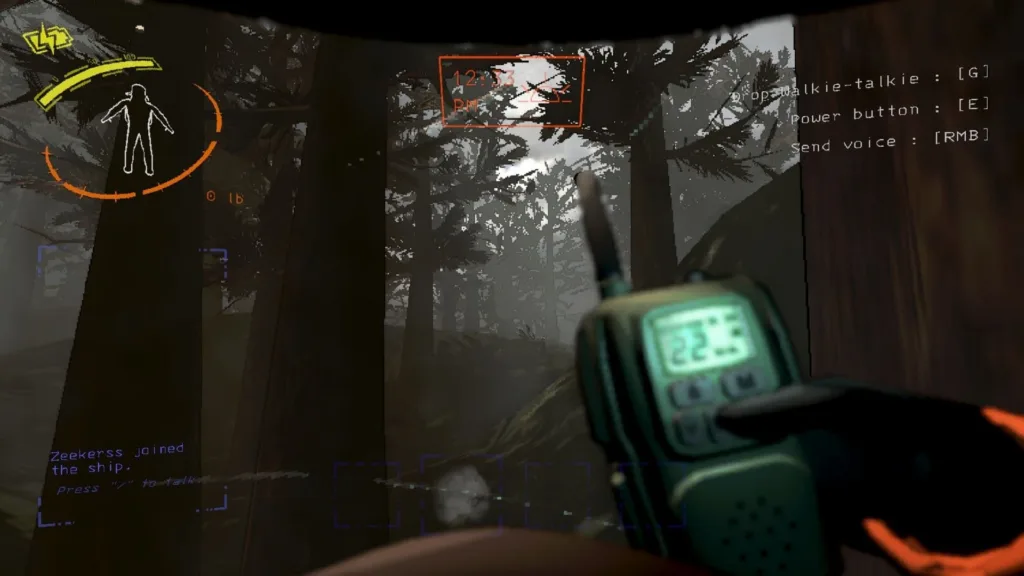
The Gameplay Loop: Simple Yet Addictive
At its heart, Lethal Company relies on a loop that is easy to understand but difficult to master. You land, you loot, you leave. However, the review scores for this game are high because of how effectively it introduces friction into that process. The quota system acts as a ticking clock, forcing teams to take unnecessary risks. Do you leave at 2:00 PM when it’s safe, or do you stay until 8:00 PM when the monsters come out, just to find that last brass bell? The inventory system is deliberately limiting; carrying heavy loot slows you down, making you vulnerable. This design choice creates genuine tension. You aren’t a superhero; you are a slow, vulnerable worker in a hazmat suit who can’t run fast while holding a V-type engine. The procedural generation of the facility interiors ensures that no two runs feel exactly the same, keeping the gameplay fresh even after dozens of hours.
Audio Design And Proximity Chat
The true MVP of Lethal Company is its sound design and implementation of proximity voice chat. As a reviewer, I cannot stress enough how much the audio contributes to the experience. The voice chat is diegetic, meaning it exists within the game world. If you run too far from your friends, you can’t hear them. If you go into a tunnel, your voice echoes. If a friend gets eaten by a giant worm mid-sentence, their voice cuts off abruptly. This creates moments of pure cinematic gold. Hearing a teammate scream in the distance, followed by an eerie silence, tells a story more effective than any cutscene could. The ambient noises inside the facilities—the creaking pipes, the distant mechanical whirring, and the distinct sounds of different monsters—force players to listen intently, turning audio cues into vital survival information.
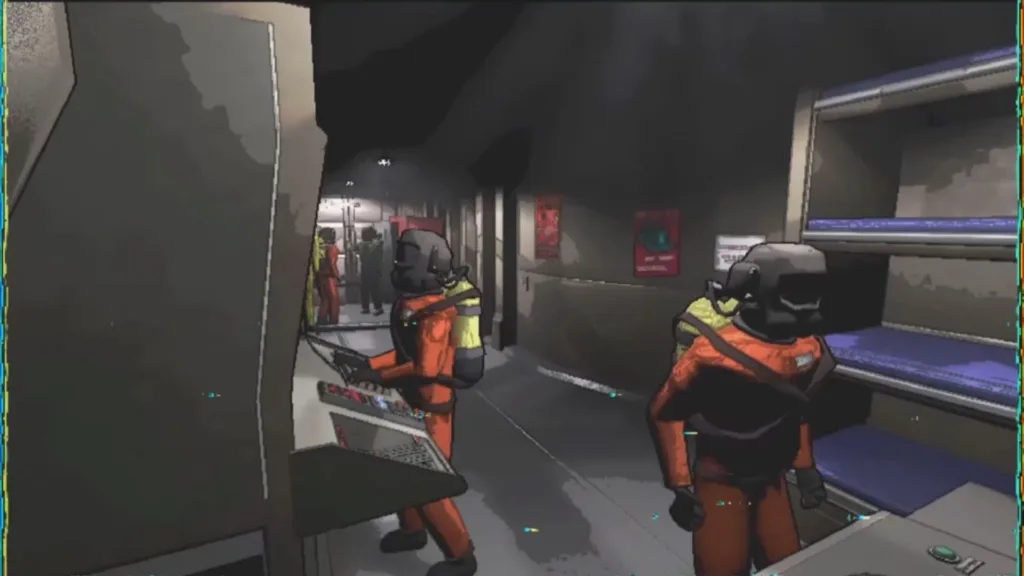
The Verdict On The Bestiary
A horror game is only as good as its monsters, and the roster in Lethal Company is iconic. The creature design fits perfectly with the SCP-style aesthetic. You have the Hoarding Bug, a neutral critter that just wants loot (and is oddly relatable), contrasting sharply with the terrifying Coil-Head, which operates on “Weeping Angel” rules, moving only when you aren’t looking at it. The diversity of threats requires players to constantly adapt their strategies. You cannot run from everything, and you certainly cannot fight everything with a simple shovel. This variety keeps the fear factor high because once you hear a specific roar or chitter, the entire team has to shift tactics instantly or face a total crew wipe.
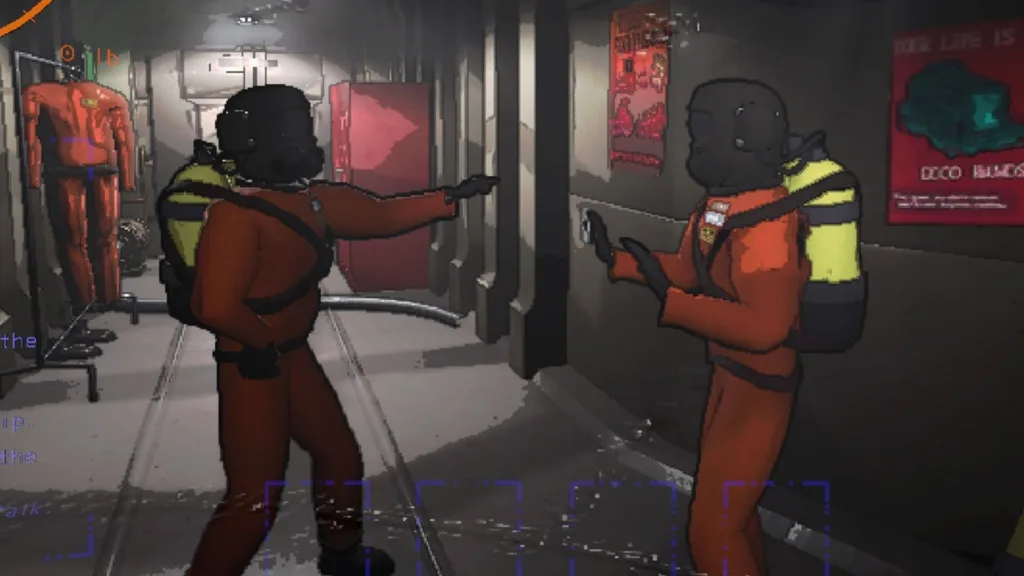
Final Thoughts On The Experience
Ultimately, Lethal Company is a triumph of gameplay over graphics. It proves that you don’t need photorealistic 4K textures to create immersion; you just need strong mechanics and a cohesive atmosphere. While the game is still in early access and has the occasional bug or physics glitch, these often add to the charm rather than detract from it. For the low price point, it offers more replay value and memorable moments than many triple-A titles. If you have a group of friends willing to brave the dark and endure the Company’s strict demands, this is an absolute must-play.
-

-

-

-

-

-