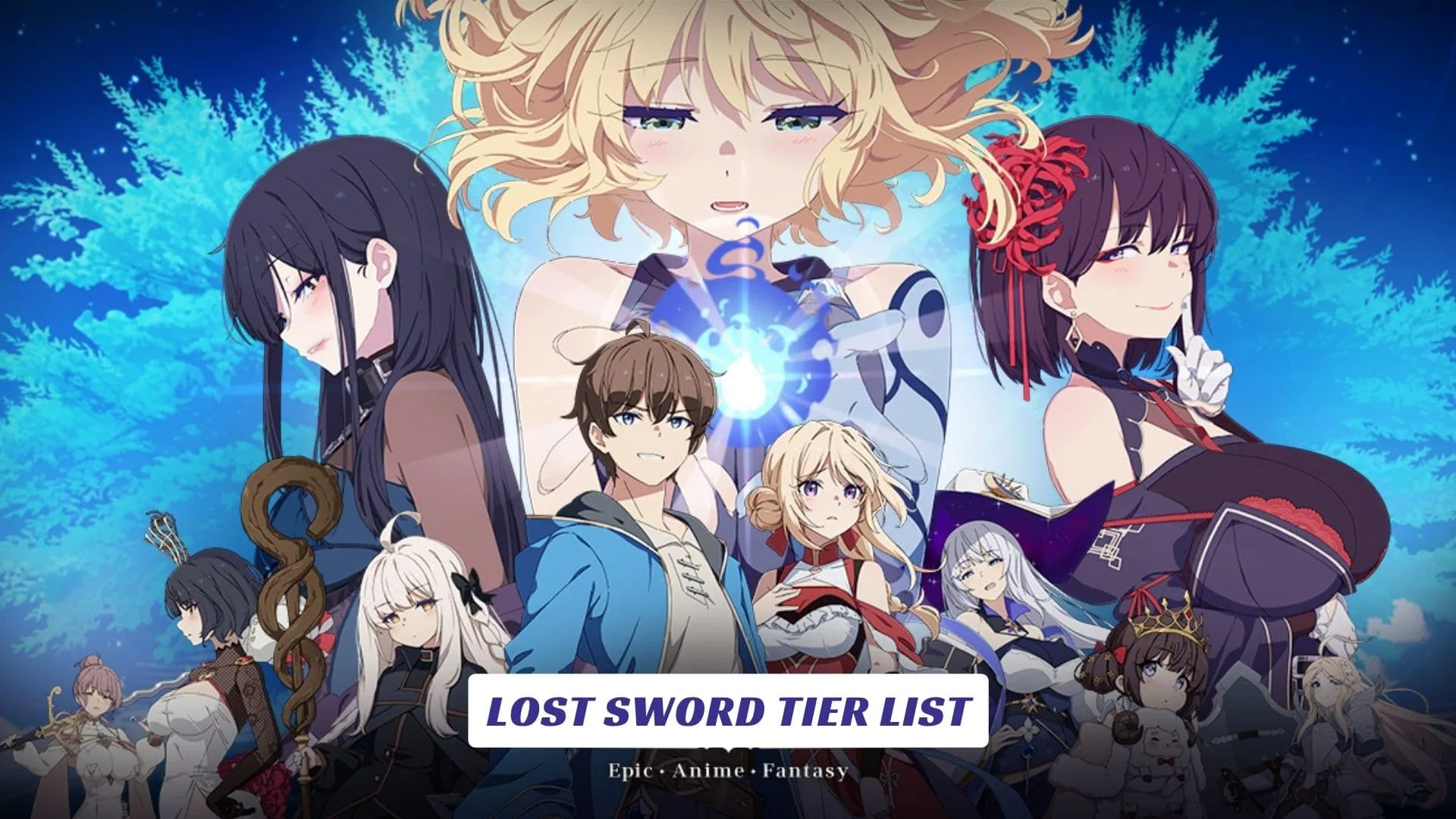
If you are looking for a reliable Lost Sword Tier List, this guide ranks the best characters in Lost Sword based on overall account value, PvE progression, raid performance, team utility, survivability, support power, damage output, and long-term usefulness across the game’s real-time anime RPG battles. Because Lost Sword mixes 2D side-scrolling AFK combat, party-building, character collection, elemental matchups, dungeons, raids, story progression, and team synergy, the strongest units are not always just the ones with the biggest damage numbers. The best characters are the ones that keep your team alive, boost damage, apply crowd control, protect your frontline, improve skill rotations, or carry difficult stages without needing perfect conditions. This Lost Sword Tier List is written as a practical guide for players who want to know which characters are worth building first, which heroes are strong alternatives, and which units should usually stay as early-game fillers unless they receive buffs or become useful for a very specific strategy.
Lost Sword Tier List Table
| Tier | Characters | Tier Meaning |
|---|---|---|
| S+ Tier | Lueira, Morgan le Fay, Galahad, Belsey, NEO Bedivere, Erin, Maid Rita | The strongest overall characters in Lost Sword. These units offer elite value through healing, shielding, tanking, buffs, control, or long-term team impact. |
| S Tier | Agravaine, Dian Cecht, Estheria, Isabel, Karishara, Lisa, Lohengrin, Nesha, Palamedes, Yumi, Cristina, Lancelot | Excellent characters that can carry teams or complete strong formations. They are powerful choices for progression, raids, and general account growth. |
| A Tier | Anessa, Eva, Guinevere, Kay, Lua, Merlin, Ran, Summer Merry, Tiamat, Vivien, Percival, Ria | Strong and useful characters that perform well with the right team, gear, and content. They are good investments when they fit your roster. |
| B Tier | Asuka, Circe, Claire, Enya, Hikage, Isolde, Joan of Arc, Katrin, Lilith, Morgause, Tristan | Usable but more situational. These characters can help in specific setups, but they are usually not top-priority upgrades for most players. |
| C Tier | Elizabeth, Gawain, Lucy, Mia, Morgana, Bedivere, Rachel, Rowena, Urien, Ethan, Rita | Mostly early-game or filler characters. They can be used if you like them, but stronger units usually replace them as your account improves. |
How This Lost Sword Tier List Works
This Lost Sword Tier List focuses on practical value rather than pure rarity. A high-rarity unit is not automatically better if the character needs too much investment, lacks team synergy, or only works in one narrow situation. Likewise, a support character can rank above a damage dealer if that support makes every other party member stronger.
The most important things considered here are damage consistency, team protection, buff quality, debuff uptime, healing, crowd control, raid usefulness, general PvE comfort, and how easily a character fits into multiple teams. Characters that can perform in several roles naturally rank higher because they reduce the pressure on your account. For example, a unit that shields, heals, and deals damage is usually more valuable than a unit that only deals damage but needs perfect protection.
A tier list should never replace testing completely. Lost Sword is still a team-based game, so your best character depends on the other units, cards, gear, pets, elements, and content available to you.
S+ Tier Characters
S+ Tier characters are the safest long-term investments in Lost Sword. They are powerful not only because their numbers are high, but because they solve real gameplay problems. These units help your team survive burst damage, clear waves faster, stay stable during raids, or push difficult stages with fewer mistakes.
Lueira is one of the most valuable characters because she brings shields, healing, damage reduction, and surprising damage potential. A character who can protect the team while still contributing pressure is extremely rare, which makes her one of the easiest recommendations for almost any account.
Morgan le Fay is a premium support because she improves the team’s damage flow. Her value comes from making other characters perform better through rotation help, marks, damage amplification, and critical support. In team-building games, these force-multiplier characters often stay relevant longer than pure damage dealers.
Galahad is a frontline monster. She gives teams the confidence to survive dangerous encounters, especially when enemies hit hard or bosses punish weak defense. A good tank does more than stand there, and Galahad proves that by protecting allies while enabling backline damage.
Belsey is another standout because she combines tankiness with control and offensive pressure. Her stuns, defense reduction, and bruiser-style scaling make her useful in both progression and longer fights. She is especially valuable when your team needs a frontline unit that does more than absorb damage.
NEO Bedivere is excellent because she brings healing, crowd control, critical support, and flexible utility in one kit. She is the type of unit that can quietly carry an account by stabilizing dangerous fights and giving your damage dealers more room to work.
Erin and Maid Rita round out the top group by giving teams powerful sustain and support tools. They may not always look as flashy as the biggest damage dealers, but they help your party stay alive, stay buffed, and keep fighting through content that would otherwise punish fragile teams.

S Tier Characters
S Tier characters are still excellent and should not be ignored just because they sit slightly below the very top. Many of them can become core members of strong teams, especially if you build around their strengths.
Dian Cecht is a valuable support-style pick because team buffs and protection tools can dramatically improve consistency. Lohengrin, Lancelot, and Agravaine also bring strong combat value depending on the team structure and mode. If your account already has one or two S+ supports, these S Tier units can become the damage or frontline pieces that complete your main lineup.
Characters like Estheria, Isabel, Karishara, Nesha, Palamedes, Yumi, Lisa, and Cristina are also worth attention because they can contribute meaningful damage, utility, or team-specific value. Some are more flexible than others, but the overall quality is high enough that investing in them rarely feels wasteful if they fit your roster.
The main difference between S+ and S Tier is universal comfort. S+ characters usually fit almost anywhere. S Tier characters may want the right team, content type, or investment level before they feel just as dominant.
A Tier Characters
A Tier is where team-building starts to matter more. These characters are not weak, but they are more dependent on context. They may need specific allies, certain gear, favorable elemental matchups, or a content type that lets their kit shine.
Tiamat, Merlin, Guinevere, Eva, Kay, Lua, Ran, Summer Merry, Vivien, Percival, Ria, and Anessa can all be useful depending on your roster. Some bring strong damage, others provide control, support, or utility that becomes better in specific formations.
A Tier units are often excellent for players who do not have every premium character yet. They can help bridge gaps in your team, carry early and mid-game content, or fill a missing role until you pull a stronger option. Do not rush to abandon them just because they are not at the top. If they are already built, they can still provide real value.
B Tier Characters
B Tier characters are more selective picks. They may have interesting mechanics, but they usually need more help than higher-tier units. A B Tier character can still be fun to play, especially if you enjoy their design, element, or role, but they are not usually the best place to spend rare upgrade materials early.
This tier includes characters such as Asuka, Circe, Claire, Enya, Hikage, Isolde, Joan of Arc, Katrin, Lilith, Morgause, and Tristan. Some can be used for niche strategies or specific stages, but they are harder to recommend as universal investments.
If you are free-to-play or resource-conscious, build B Tier characters slowly. Use them when they fill an immediate need, but save your biggest upgrades for characters who will stay in your main teams longer.
C Tier Characters
C Tier characters are mostly early-game fillers, collection units, or personal favorites. They can help when your account is new and your roster is limited, but they tend to fall behind once you unlock stronger characters.
Elizabeth, Gawain, Lucy, Mia, Morgana, Bedivere, Rachel, Rowena, Urien, Ethan, and Rita are not useless in every possible situation, but they usually demand too much investment for too little return compared with stronger alternatives. If one of them is your favorite, you can still play them. Gacha RPGs are more enjoyable when you build characters you actually like.
However, from a progression point of view, these units should usually stay lower on your upgrade priority list.
Best Characters To Build First
For most players, the best first investments are characters who improve team stability. In Lost Sword, that means strong healers, shielders, tanks, and supports often matter just as much as damage dealers.
Lueira is one of the safest first choices because she gives your team protection and healing while still helping with damage. Galahad is excellent if your frontline keeps collapsing. Morgan le Fay is ideal when your damage dealers feel strong but your team needs better rotation and amplification. Belsey is a great choice if you want a tank that also controls enemies and helps the team hit harder.
NEO Bedivere is also a smart early build because her combination of healing, root, critical support, and utility gives her value in several situations. Erin and Maid Rita are strong if your team needs sustain and defensive support.
Best Team Building Advice
A strong Lost Sword team should not be made of five random high-tier characters. You need roles. A balanced team usually wants a frontline unit, at least one reliable support or healer, and damage dealers who benefit from the buffs your team provides.
For example, if your team uses shield-based protection, characters that scale with shields or benefit from defensive uptime become more valuable. If your team depends on critical hits, units that increase critical rate or critical damage become important. If your team struggles against waves, area damage and crowd control matter more than single-target burst.
The easiest mistake is building only damage dealers. Damage matters, but dead damage dealers do nothing. A stable team with a strong tank, a useful healer, and proper buffs will usually progress more smoothly than a fragile team full of attackers.
Reroll Priorities
If you are starting fresh, aim for one or two top-tier characters that can carry your early account. Lueira, Morgan le Fay, Galahad, Belsey, NEO Bedivere, Erin, and Maid Rita are the standout names to look for because they provide long-term value.
A perfect reroll is not always required, though. Lost Sword is a collection RPG, and you will naturally expand your roster over time. The goal is to avoid starting with only low-impact characters that get replaced too quickly. A strong support or tank can make your whole account feel better from the beginning.
If you pull a strong S Tier unit alongside a top support, that is usually good enough to begin. Do not spend forever chasing a flawless account unless you enjoy rerolling.
PvE, Raids, And PvP Differences
PvE rewards consistency. Characters that clear waves, survive long stages, and protect the team are extremely useful. This is why shielders, healers, and flexible supports rank so highly.
Raids are more demanding. Boss fights usually care about uptime, damage windows, debuffs, survival checks, and whether your team can maintain pressure over time. Characters with reliable defense reduction, damage amplification, cooldown help, and strong sustain often become more important in raids than they are in normal stages.
PvP and brawl can be less predictable. Crowd control, burst timing, immunity, formation, and matchups matter more. A character who feels amazing in campaign may not dominate PvP if the enemy team can burst them down or block their main mechanic. Because of that, use this tier list as a strong base, then adjust for the mode you care about most.
Upgrade Priority Guide
When deciding who to upgrade, start with your core team before spreading resources too thin. One well-built main team will carry you further than ten half-built characters.
Prioritize your frontline if your team dies too quickly. Prioritize your healer or support if your party survives but clears too slowly. Prioritize your main damage dealer if your team is stable but lacks finishing power. This simple order prevents wasted materials and makes every upgrade feel noticeable.
Also pay attention to cards, gear, and pets. A strong character with poor equipment can underperform, while a slightly lower-tier character with excellent synergy can outperform expectations. In Lost Sword, character strength and account systems work together.
Final Thoughts
The best characters in Lost Sword are the ones that make your whole team stronger, not just the ones that look powerful on paper. Lueira, Morgan le Fay, Galahad, Belsey, NEO Bedivere, Erin, and Maid Rita stand out as top-tier investments because they bring the kind of utility, sustain, protection, and team impact that stays useful across many types of content.
S Tier characters remain excellent and can easily form the backbone of a strong account. A Tier units are good when used correctly, while B and C Tier characters should be built more carefully unless you personally enjoy them.
As the game adds new characters, balance updates, events, and strategies, the meta will continue to shift. For now, this Lost Sword Tier List gives you a strong foundation for building smarter teams, spending resources wisely, and pushing deeper into the anime fantasy battles of Lost Sword.