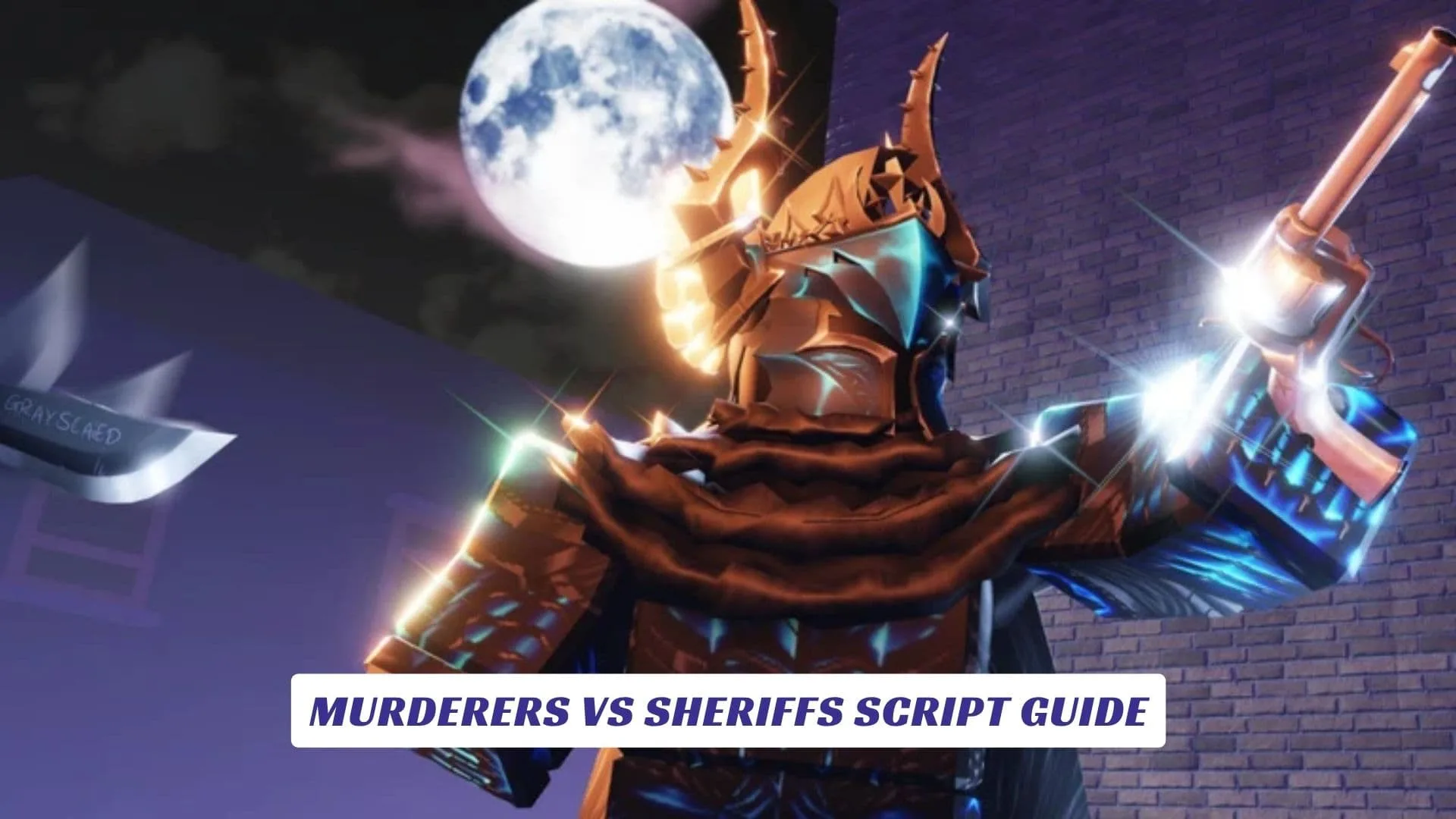
If you have been searching for a Murderers VS Sheriffs Script Guide, you are in good company. Thousands of players search every week for ways to gain an edge in Murderers vs. Sheriffs, one of Roblox‘s most competitive PvP experiences. Whether you are a beginner trying to understand how the game is built from the inside out, an aspiring Roblox Studio developer curious about how round systems, ability modules, and weapon mechanics are scripted, or simply a player who wants to understand what those so-called “cheat” tools actually do under the hood, this guide has something for you. We will walk through how Murderers vs. Sheriffs works on a technical level, what scripts power its core gameplay loops, how legitimate Roblox Studio scripting applies to games like this, and what separates good players from great ones without ever touching a shady executor or an exploit tool. If you are also hunting for in-game rewards, our earlier post on Murderers VS Sheriffs Codes has everything you need on that front.
What Is Murderers vs. Sheriffs?
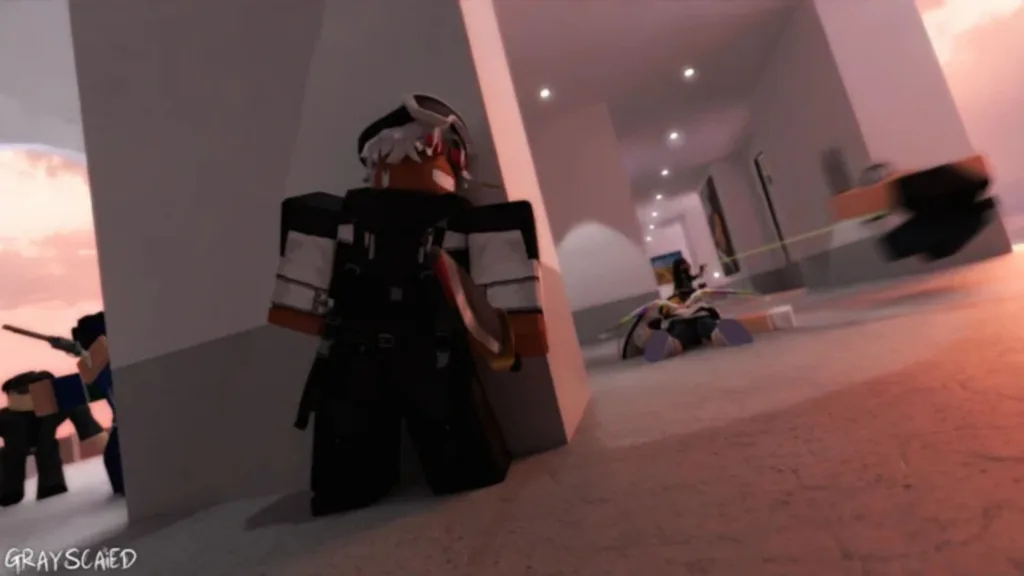
Murderers vs. Sheriffs is a team-based PvP experience on Roblox where two opposing sides go head to head. Murderers fight with knives and stealth while Sheriffs rely on revolvers and distance control. The game is built around a clean, fast combat loop where every hit eliminates instantly, which means smart movement and positioning matter far more than raw button mashing.gamerant+1
The experience has spawned several spin-offs, with Murderers VS Sheriffs Duels being the most popular. That version narrows things down to structured 1v1, 2v2, 3v3, and 4v4 bracket fights, sharpening the focus on ability use, map knowledge, and pure aim.


How Murderers vs. Sheriffs Is Scripted in Roblox Studio
Understanding the Murderers VS Sheriffs script structure starts with understanding how Roblox Studio builds round-based games. The platform uses Lua as its primary scripting language, and every mechanic you see in Murderers vs. Sheriffs, from role assignment to weapon spawning, is powered by server-side and client-side Lua scripts managed through Roblox Studio’s built-in engine.
A typical round management script in Roblox Studio assigns roles to players at round start, handles round timers, and detects win conditions. Here is a simplified but realistic example of how a role assignment module might look:
lua-- Round Manager Script (ServerScript in Roblox Studio)
local Players = game:GetService("Players")
local roles = {"Murderer", "Sheriff"}

local function assignRoles(playerList)
    local shuffled = {}
    for _, player in ipairs(playerList) do
        table.insert(shuffled, player)
    end
    -- Shuffle table
    for i = #shuffled, 2, -1 do
        local j = math.random(i)
        shuffled[i], shuffled[j] = shuffled[j], shuffled[i]
    end
    -- Assign first player as Murderer, second as Sheriff
    for i, player in ipairs(shuffled) do
        local role = roles[math.min(i, #roles)]
        player:SetAttribute("Role", role)
        print(player.Name .. " is assigned: " .. role)
    end
end

local playerList = Players:GetPlayers()
assignRoles(playerList)
This kind of server-side role assignment is central to how Murderers vs. Sheriffs keeps things fair. The logic runs on Roblox’s servers, not the client, which is exactly why exploiting the client side rarely works the way cheat-seekers hope.
Weapon Mechanics and How They Are Scripted
Both the knife and the revolver in Murderers vs. Sheriffs are built as Tool objects inside Roblox Studio, each carrying their own scripts for activation, hit detection, and cooldown management. The revolver deals ranged damage through a raycast system, while the knife uses either a proximity hitbox or a projectile cast depending on whether it is thrown or used in melee.
Here is a clean example of how a knife throw script might be structured in Roblox Studio:
lua-- Knife Throw Script (LocalScript inside Tool)
local tool = script.Parent
local player = game.Players.LocalPlayer
local mouse = player:GetMouse()
local canThrow = true
local COOLDOWN = 2.5

tool.Activated:Connect(function()
    if not canThrow then return end
    canThrow = false

    local direction = (mouse.Hit.Position - tool.Handle.Position).Unit
    local knifeClone = tool.Handle:Clone()
    knifeClone.Parent = workspace
    knifeClone.Velocity = direction * 80

    game:GetService("Debris"):AddItem(knifeClone, 3)

    task.wait(COOLDOWN)
    canThrow = true
end)
This is, of course, a simplified representation. The actual game uses far more complex detection and anti-exploit validation on the server side. Understanding that server validation exists is part of why many cheat scripts that claim to offer advantages like instant knife throws or no-cooldown abilities simply crash the client or get flagged by Roblox’s detection systems.

Ability Systems and Round Events
One of the standout features in Murderers VS Sheriffs Duels is the ability system, where players can activate special skills that give temporary movement, combat, or tactical boosts. In Roblox Studio, these are typically handled through a RemoteEvent pipeline where the client requests activation and the server validates and applies the effect.
lua-- Ability Activation via RemoteEvent (ServerScript)
local ReplicatedStorage = game:GetService("ReplicatedStorage")
local abilityEvent = ReplicatedStorage:WaitForChild("ActivateAbility")

abilityEvent.OnServerEvent:Connect(function(player, abilityName)
    local character = player.Character
    if not character then return end

    if abilityName == "SpeedBoost" then
        local humanoid = character:FindFirstChild("Humanoid")
        if humanoid then
            humanoid.WalkSpeed = 28
            task.wait(3)
            humanoid.WalkSpeed = 16
        end
    end
end)
The server-controlled design means that cheats claiming to give permanent speed or unlimited abilities are usually client-side illusions. They may show the effect locally but will desync immediately from what the server actually registers, often resulting in a ban flag.
Play Murderers VS Sheriffs Duels now