Contents
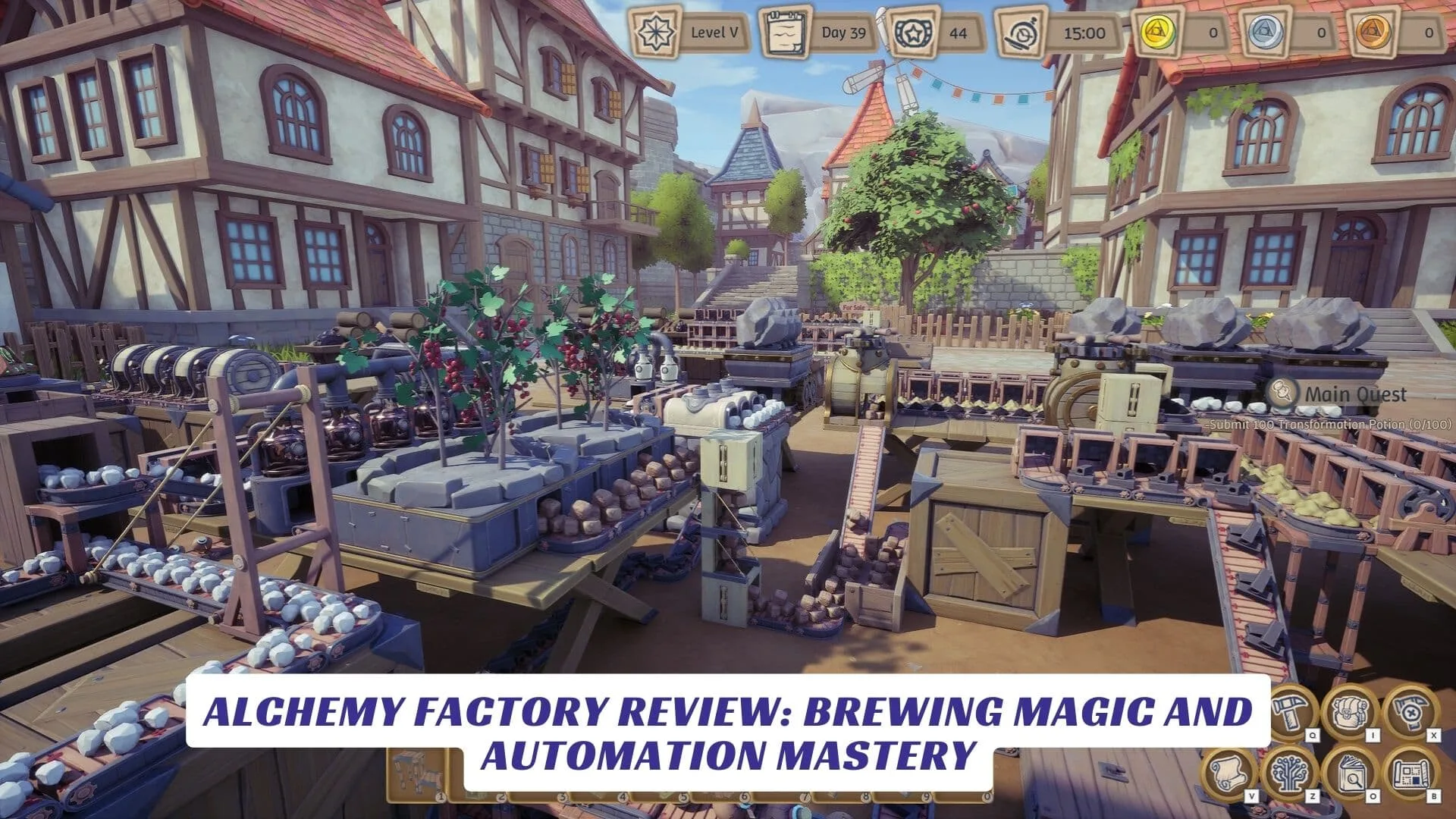
If you have ever dreamt of combining the cozy atmosphere of a fantasy shop with the intricate satisfaction of industrial automation, this in-depth Alchemy Factory Review is exactly what you have been looking for. Alchemy Factory distinguishes itself in the crowded simulation genre by seamlessly blending puzzle-solving mechanics with high-stakes tycoon gameplay, challenging players to transform a dusty workshop into a booming magical empire. From the moment you brew your first basic healing potion to the late-game complexity of managing intricate conveyor belt systems, the game hooks you with a satisfying loop of gathering, crafting, and selling. Fans of indie management titles will immediately recognize the addictive “just one more day” appeal as they optimize their production lines to meet the demanding requests of adventurers and wizards. Whether you are searching for a relaxing resource management experience or a complex logic puzzle wrapped in a charming pixel-art aesthetic, this title offers a unique concoction that stands out on the Steam marketplace. The game encourages experimentation, rewarding players who can balance the delicate art of potion mixing with the ruthless efficiency required to run a profitable business in a magical economy.

Gameplay Mechanics And The Core Loop
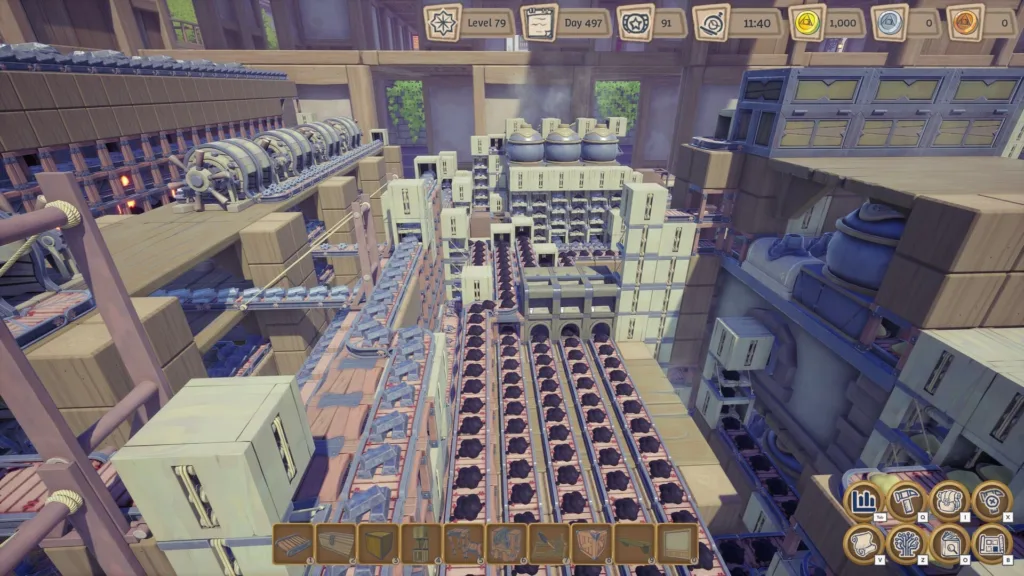
At its heart, Alchemy Factory is about efficiency and discovery. You begin with a simple mortar and pestle, manually grinding herbs and mixing reagents to fulfill simple orders. However, the gameplay quickly evolves beyond manual labor. As you earn gold, you unlock the ability to purchase automated machinery, turning your cozy shop into a sprawling industrial complex. The transition from hand-crafting to automation is the game’s strongest hook. You aren’t just an alchemist; you are an engineer. You must design logical layouts where extractors feed into mixers, and bottlers send finished products to shipping crates. The puzzle element shines here, as you must fit these complex assembly lines into limited floor space, forcing you to think critically about spatial management and resource flow.

Visual Style And Atmospheric Sound
The aesthetic presentation of Alchemy Factory relies on a vibrant, detailed pixel art style that evokes a sense of nostalgia while remaining crisp and modern. Each machine has a distinct animation, from the rhythmic chugging of the coal-powered heaters to the magical glow of the essence extractors. These visual cues are not just for show; they provide instant feedback on your factory’s status, allowing you to spot bottlenecks or jams at a glance. Accompanying the visuals is a whimsical soundtrack that adapts to your gameplay. It starts as a quiet, lo-fi melody during the planning phases and swells into a bustling, energetic track when the factory is running at full capacity. This audio-visual harmony creates a relaxing environment where failure never feels frustrating, but rather like an opportunity to redesign and improve.
Progression System And Difficulty Curve
The progression in Alchemy Factory is paced with expert precision. You are never overwhelmed with too many tools at once; instead, the game introduces new ingredients and machinery tiers gradually. Early levels focus on basic recipes like Health and Mana potions, which require simple two-step processes. As you advance, you unlock exotic ingredients like Phoenix Feathers and Void Dust, which require temperature control, timed mixing, and precise filtration. The difficulty curve spikes appropriately in the mid-game, introducing “Corruption” mechanics where spoiled ingredients can clog your machines if not filtered out. This adds a layer of urgency and quality control that prevents the gameplay from becoming too passive, ensuring that even veteran tycoon players find a worthy challenge.

Final Verdict: Is It Worth Playing?
Alchemy Factory is a triumphant example of how to execute a niche concept with polish and charm. It successfully bridges the gap between casual cozy games and hardcore automation simulators, making it accessible to newcomers while offering enough depth for efficiency enthusiasts. While the late game can suffer from slight repetition once all machines are unlocked, the journey to get there is filled with moments of genuine satisfaction and “aha!” realizations. For players who derive joy from watching a perfectly tuned system run like clockwork, this title is a must-buy. It creates a magical feedback loop that respects your time and rewards your intelligence, solidifying its place as a hidden gem in the simulation genre.