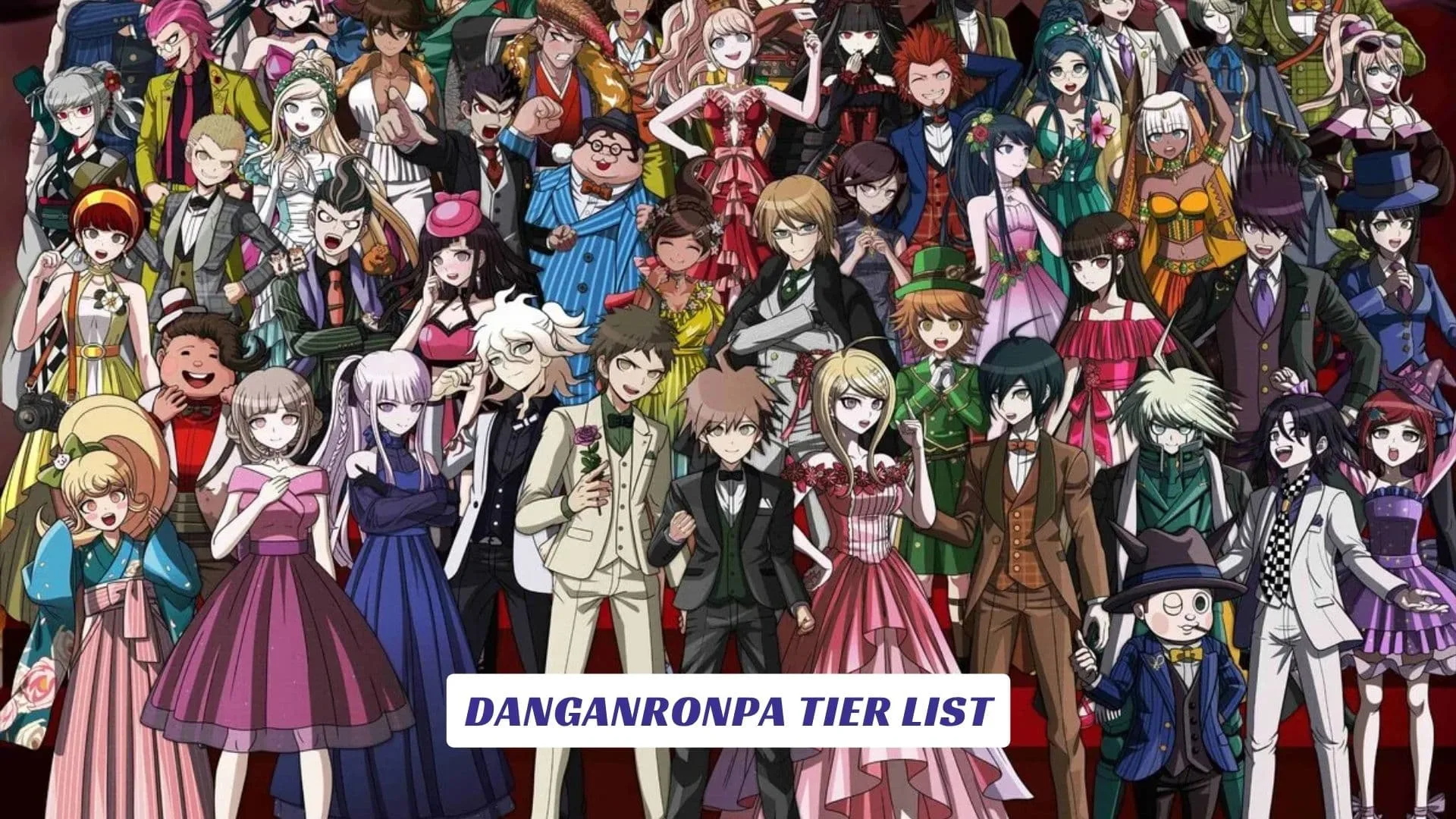
If you are searching for the most comprehensive and authoritative Danganronpa tier list, this guide delivers a deep, expert analysis of every major character across the franchise. From Trigger Happy Havoc to V3: Killing Harmony, plus Zero, Generation 2, and Despair Arc, this Danganronpa tier list ranks characters by writing depth, symbolic richness, narrative role, and fan impact. Unlike casual tier makers, this guide combines critical analysis with community consensus to reveal who truly stands as the franchise’s best and who falls short. Whether you’re a veteran fan debating Makoto vs. Nagito or a newcomer trying to understand Junko’s complexity, this tier list clarifies the hierarchy of hope, despair, and twisted talent that defines Danganronpa.
Danganronpa Tier List Table
| Tier | Characters | Why They Rank Here |
|---|---|---|
| Top Tier | Makoto Naegi, Junko Enoshima | Makoto’s growth and symbolism as hope; Junko’s complexity as despair’s apex. |
| S Tier | Sayaka Maizono, Nagito Komaeda, Komaru Naegi | Sayaka’s crane symbolism; Nagito’s paradoxical hope/despair; Komaru’s evolution. |
| A Tier | Himiko Yumeno, Mondo Owada, Mukuro Kulhkina | Himiko’s depression arc; Mondo’s societal reflection; Mukuro’s internal conflict. |
| B Tier | Toko Fukawa, Yasuhiro Hagakure, Aoi Asahina | Strong personalities but limited narrative depth outside free time events. |
| C Tier | Chihiro Fujisaki, Sakura Ogami, Kiyotaka Ishimaru | Fulfill roles adequately but lack standout emotional or symbolic impact. |
| D Tier | Monokubs, Minor Future Foundation Members | Often annoying, underdeveloped, or serve only as plot devices. |
Top Tier: The Legends Of Danganronpa
Makoto Naegi
Makoto is the franchise’s symbol of hope, but his writing goes far beyond that label. His vulnerability in chapters 4 and 5, his reliance on comfort zones, and his growth from passive observer to active leader make him one of the most endearing protagonists in anime gaming.
Junko Enoshima
Junko is despair personified, yet her duality as a lost girl whose talent destroyed her makes her hauntingly human. She serves as the perfect foil to both Makoto and Hajime, reveling in suffering while paradoxically prioritizing feelings.
S Tier: Iconic With Deep Symbolism
Sayaka Maizono
Sayaka’s connection to the crane story (Tsur no Oeshi) and her birthday aligning with Tanabata (Star Festival) add rich symbolic layers. Her dynamic with Makoto remains one of the strongest in Danganronpa.
Nagito Komaeda
Nagito’s depth, complexity, and paradoxical relationship with hope and despair make him genuinely remarkable. He contrasts yet parallels Makoto, offering refreshing eccentricity that rewards deep analysis.
Komaru Naegi
Komaru evolves from envy-filled younger sister to resilient survivor. Her relationship with Toko enhances her character, and her quirky nature adds charm despite mixed feelings about Zero.
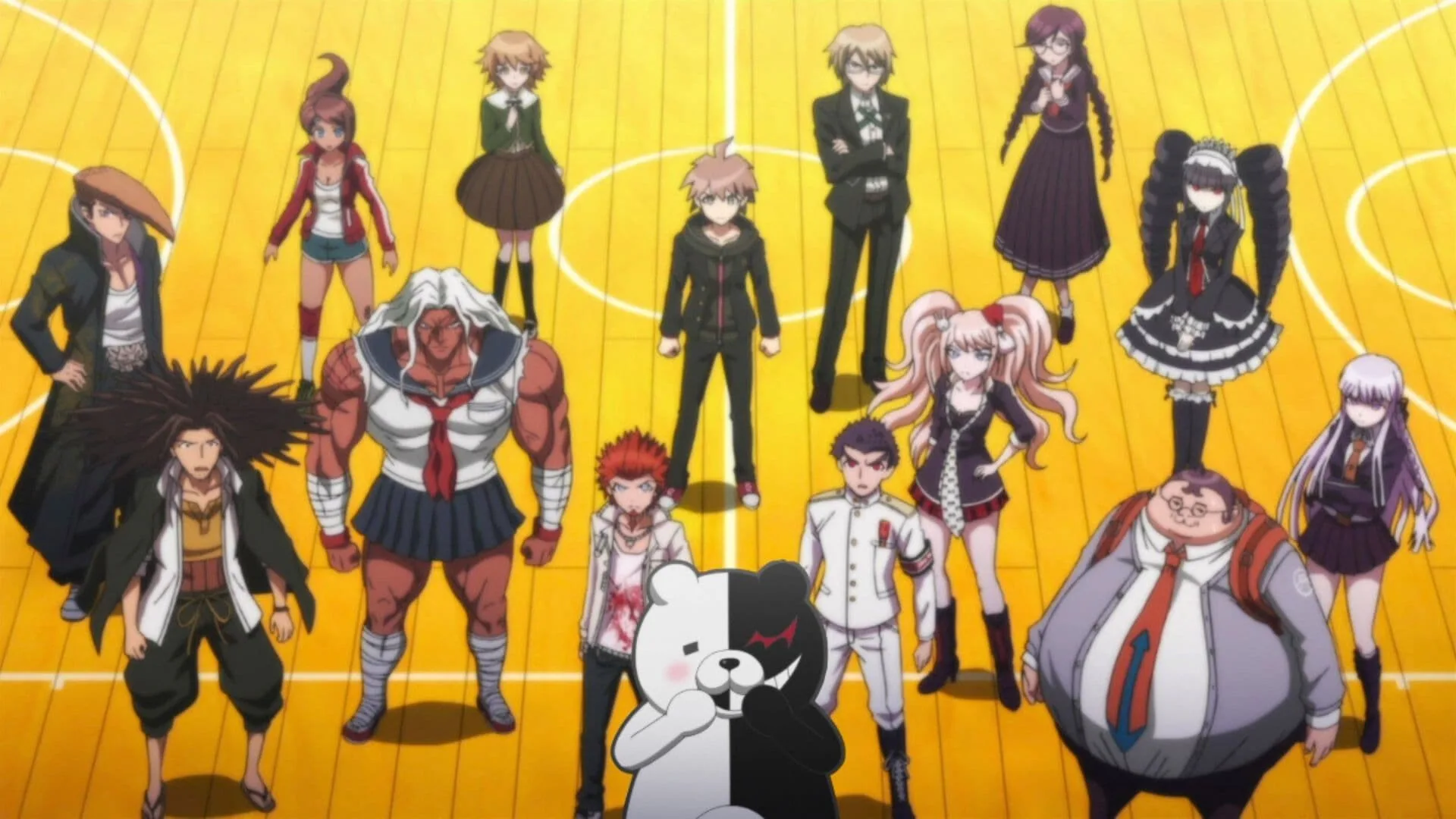
A Tier: Well-Written But Limitated
Himiko Yumeno
Himiko’s magic serves as escapism from depression. Chapter 3 marks her growth away from denial, making her one of the most underrated characters in V3.
Mondo Owada
Mondo reflects Japanese societal norms about strength and jealousy. His angry demeanor hides a well-executed tragedy about societal expectations.
Mukuro Kulhkina
In Zero and IF, Mukuro shines with internal conflict between twisted loves. In THH, she’s underdeveloped, serving mainly as a plot twist despite compelling free time events.
B Tier: Personality Over Depth
- Toko Fukawa: Expanded effectively from THH, her dynamic with Komaru allows growth through playful teasing and care.
- Yasuhiro Hagakure: Strong personality but limited narrative impact.
- Aoi Asahina: Energetic and loyal, but depth remains obscured outside free time events.
C Tier: Neutral, Functional Characters
These characters fulfill roles without standing out:
- Chihiro Fujisaki: Kind and important, but lacks emotional complexity.
- Sakura Ogami: Respected warrior with minimal internal conflict.
- Kiyotaka Ishimaru: Rule-following premier student without standout symbolism.
D Tier: Annoying Or Underdeveloped
- Monokubs: Despite intended roles, they’re often bothersome and annoying.
- Minor Future Foundation Members: Serve as plot devices with no lasting impression.
How This Tier List Was Created
This ranking combines:
- Writing Quality: Character development and narrative depth.
- Symbolism: Thematic layers and cultural references.
- Story Impact: Role in driving the plot forward.
- Fan Reception: Community consensus from Reddit surveys and tier makers.