Contents
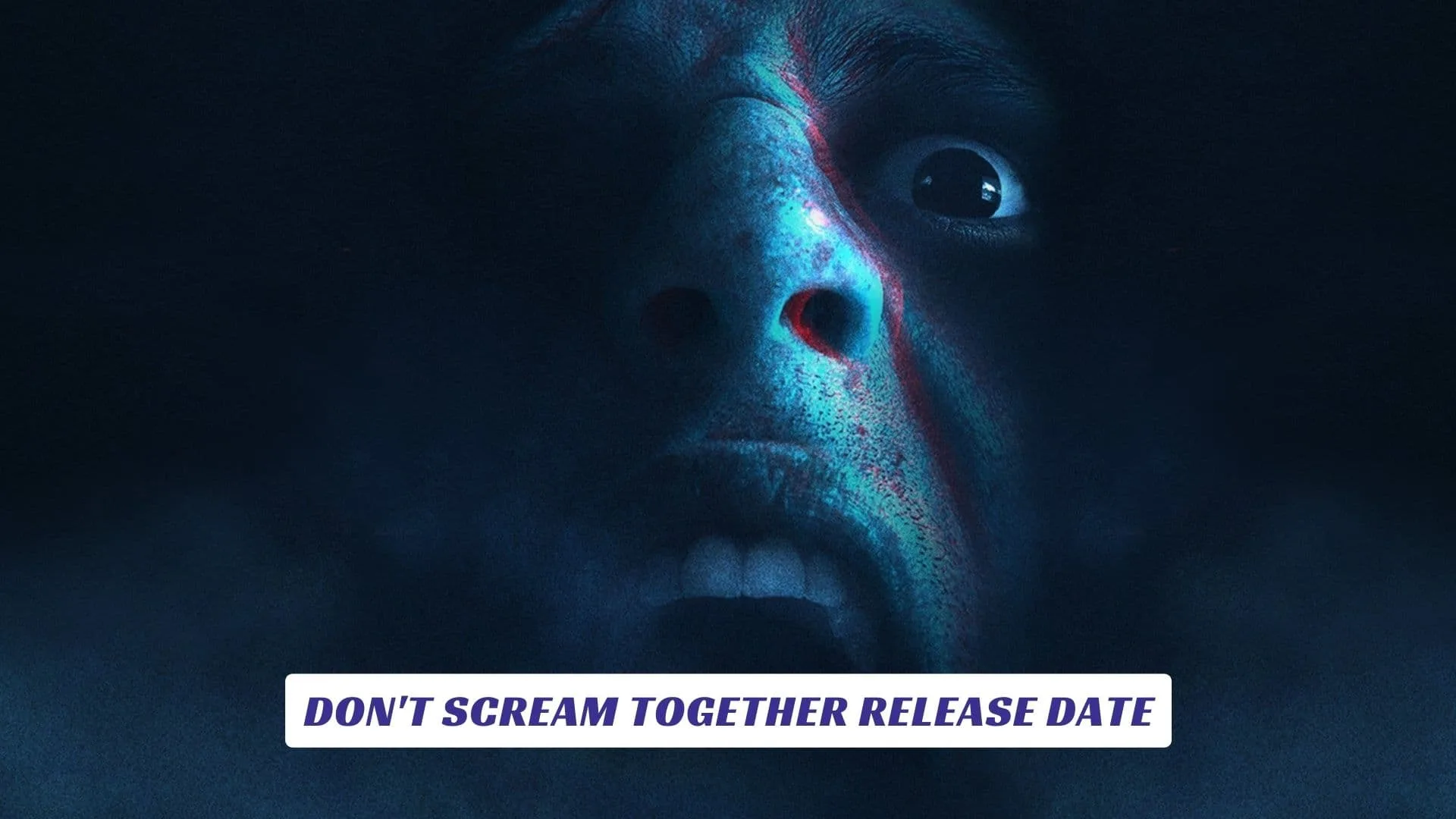
The anticipation surrounding the Don’t Scream Together release date has reached a fever pitch among horror enthusiasts and cooperative gaming fans alike, as players eagerly await the chance to test their nerves in what promises to be one of the most stressful yet hilarious multiplayer experiences of the year. This upcoming title is generating massive buzz for its unique premise: it utilizes your microphone to track noise, meaning that if you or your teammates scream in real life, you face dire consequences in the game, creating a high-stakes environment where silence is truly golden. While developers have been somewhat cryptic regarding the exact launch window, rumors and teasers suggest that we might be seeing a deployment on major platforms like Steam and potentially consoles sooner rather than later, fueling speculation about Early Access periods or beta testing phases. The core mechanic of “don’t scream” challenges has exploded in popularity on streaming platforms, and adding a “together” co-op element fundamentally changes the dynamic from a solitary scare to a chaotic group survival test. As we parse through developer updates, leaked roadmap information, and community theories, the question on everyone’s mind remains: when exactly can we squad up and try to survive the terror without making a peep?
Gameplay Mechanics: Silence is Survival
The hook of Don’t Scream Together is deceptively simple but mechanically complex. Unlike traditional survival horror games where you fight back with weapons, your primary defense mechanism here is your own self-control. The game requires microphone input calibration before you even start a match. The software sets a noise threshold; exceed it, and you don’t just alert the in-game monster—you might instantly restart the level for the whole team or suffer a severe penalty.
This mechanic introduces a fascinating layer of social tension. In a standard co-op session, communication is key. However, in Don’t Scream Together, communication is dangerous. Players must whisper to coordinate objectives, solve puzzles, and navigate dark environments. This creates a risk-reward system: do you warn your friend about the shadow lurking behind them and risk triggering the sound meter, or do you stay silent and hope they turn around in time?
Co-Op Dynamics and Multiplayer Features
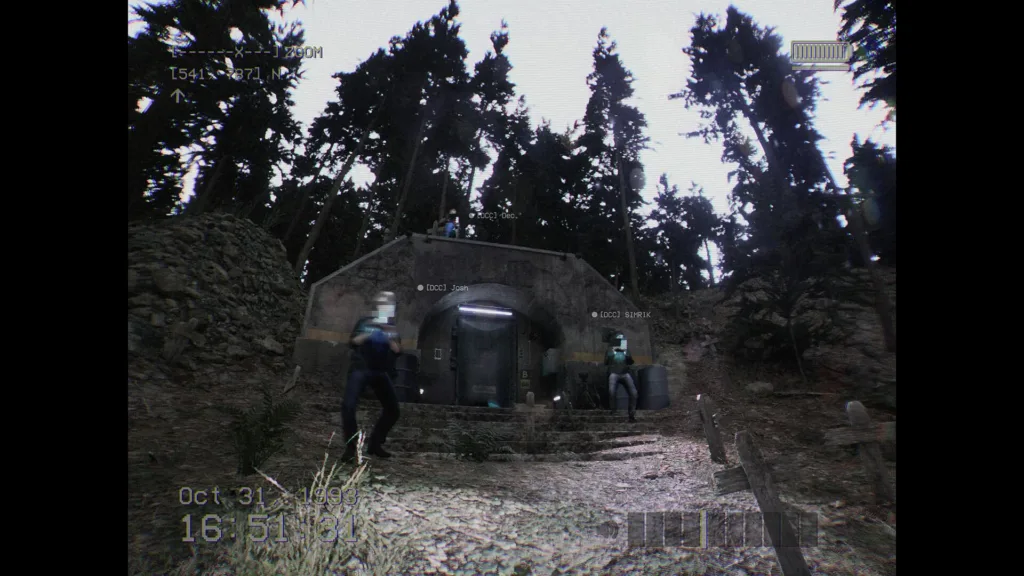
While the single-player variant of the “microphone horror” genre relies on isolation, Don’t Scream Together thrives on the chaos of group dynamics. The game is expected to support lobbies of up to four players. The synergy between players will likely determine survival rates.
- Proximity Chat: It is highly probable that the game will utilize proximity voice chat. This means if you get separated from your group, you cannot hear them, adding to the psychological terror.
- Shared Lives vs. Individual Permadeath: Speculation suggests different game modes. One might share a “scream pool” (e.g., three screams allowed per team), while a hardcore mode could mean that if one person screams, everyone dies.
- Troll Potential: Let’s be honest, half the fun will be playing with that one friend who gets scared easily. Their inability to stay quiet becomes the team’s biggest obstacle, leading to inevitable moments of frustration and hilarity.
Visual Atmosphere and Setting
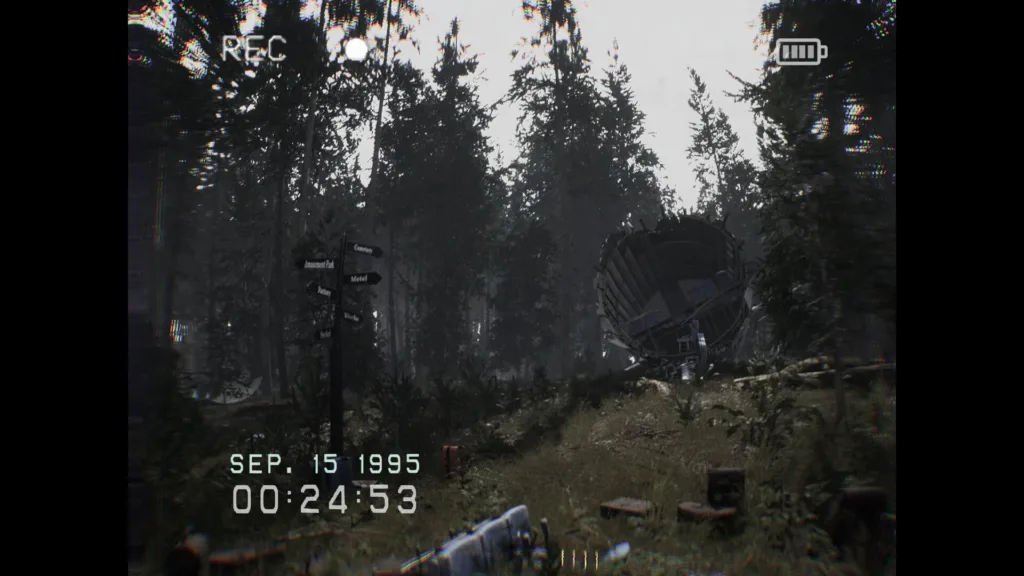
To make you scream, the game needs to be terrifying. Early screenshots and conceptual footage for Don’t Scream Together point toward a photorealistic aesthetic, likely utilizing Unreal Engine 5. The environments appear to be inspired by “found footage” horror tropes—dark forests, abandoned derelict buildings, and claustrophobic corridors.
The visual fidelity is crucial here. If the game looks cartoonish, the fear factor drops, and players won’t feel the urge to scream. The developers seem focused on high-fidelity textures and lighting that plays tricks on your eyes. The monster design is also expected to be unpredictable. Rather than simple jump scares, the game will likely rely on dread and psychological unease, making the sudden appearance of a threat that much more startling.
Platforms and System Requirements
Currently, the focus seems to be on a PC release via Steam, which is standard for indie horror hits. However, given the popularity of party games on consoles, a PlayStation 5 and Xbox Series X/S port would be a logical next step following the initial launch.
For PC players, the system requirements will likely be moderate. While the graphics aim for realism, these types of games usually optimize for a wide range of hardware to maximize the player base. The most critical hardware requirement, ironically, is not a graphics card, but a working microphone. Without one, the core loop of the game is impossible to experience.
Final Thoughts on the Launch
As we edge closer to the official announcement, the Don’t Scream Together release date remains the holy grail of information for the community. The genre of microphone-enabled horror is still relatively fresh, and adding a multiplayer component is the evolution fans have been asking for. Until the developers drop the official calendar date, all we can do is practice our breathing exercises and calibrate our microphones.