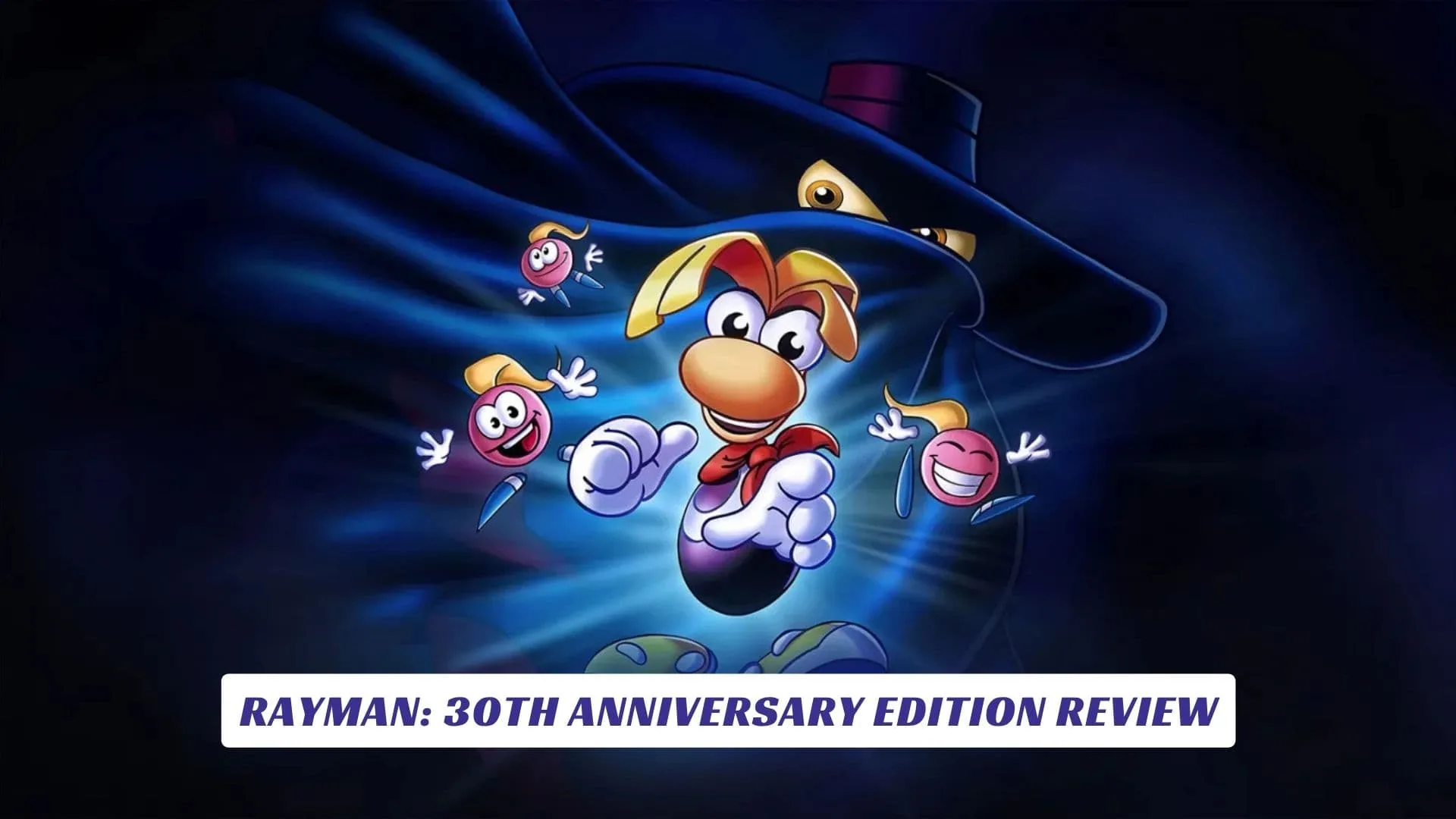
When discussing a Rayman 30th Anniversary Edition review, it quickly becomes clear that this release is more than a simple revisit of a classic platform game. Rayman 30th Anniversary Edition taps into the series’ long-standing appeal by blending nostalgic level design, animated personality, and the quirky fantasy style that made the original Rayman stand out in the first place. For players searching for a fresh look at this anniversary release, the big questions are easy to understand. Does Rayman 30th Anniversary Edition still hold up as a platformer? Is it worth playing for longtime fans of Rayman? Can new players enjoy its old-school design without feeling locked out by its age? The answer, in many ways, depends on what you expect from a celebratory edition of a beloved video game. This version leans heavily into the identity of Rayman, preserving the series’ visual creativity, side-scrolling platform action, and memorable tone while reminding players why the franchise has remained so respected across generations. It is a game built on charm, movement, and style, and this review explores how well that legacy translates in Rayman 30th Anniversary Edition today.
A Celebration Of A Platforming Icon
For many players, Rayman represents a distinct era of platform games where personality mattered just as much as level design. The original formula was never just about jumping from platform to platform. It was about entering a bizarre, cheerful world filled with expressive enemies, strange landscapes, and movement that felt playful even when the challenge became serious.
That identity remains central in Rayman 30th Anniversary Edition. The game carries the series’ signature energy with confidence. Its celebration of the franchise is not loud or overproduced. Instead, it succeeds by letting the core design speak for itself. The whimsical art direction, imaginative environments, and recognizable tone all serve as reminders of why Rayman carved out such a unique space in gaming history.
First Impressions Matter
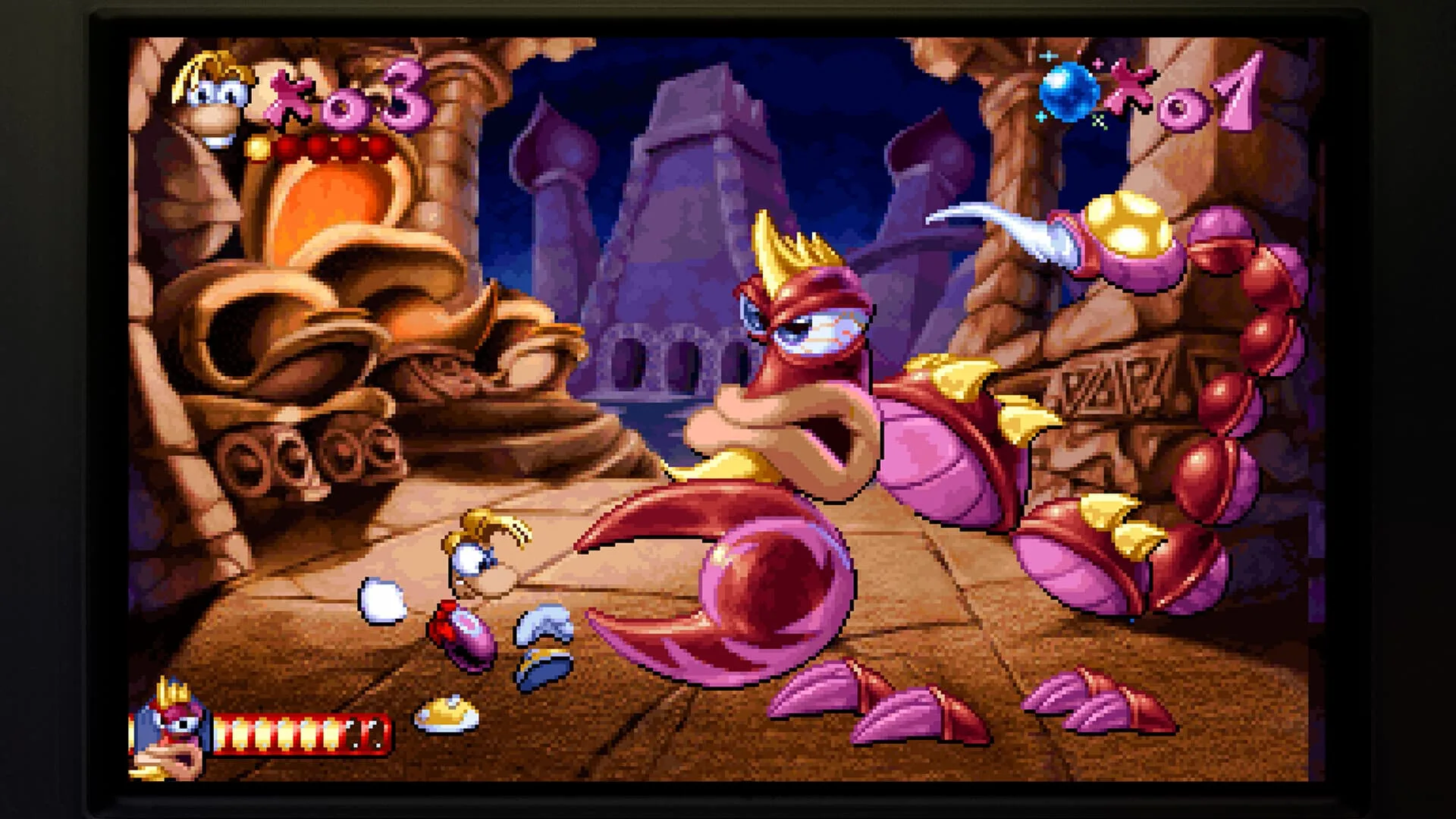
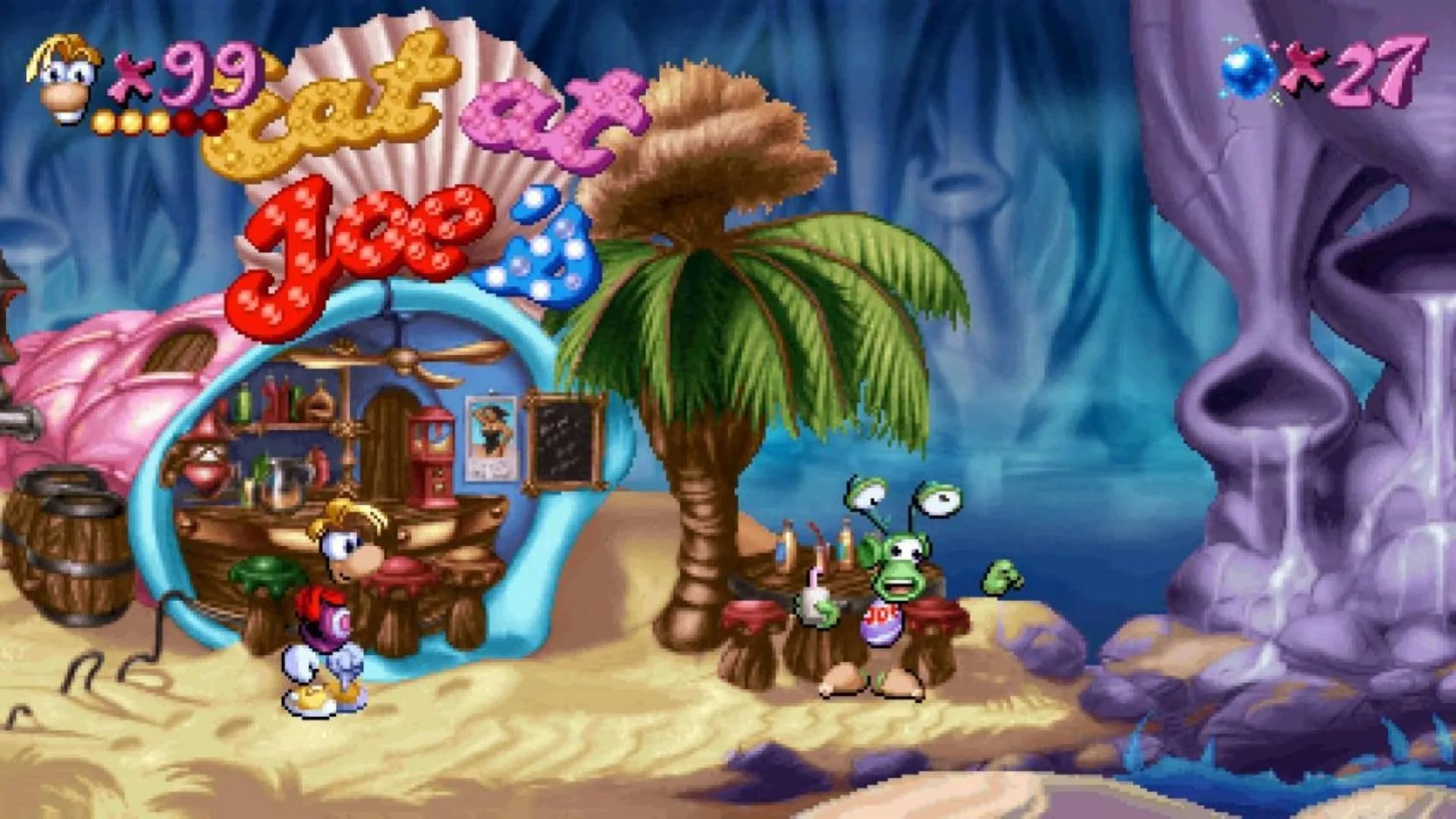
From the opening moments, Rayman 30th Anniversary Edition makes a strong case for itself through atmosphere alone. The world feels bright, animated, and lovingly strange. There is a storybook quality to the presentation, but it never feels overly soft or childish. The game understands the appeal of fantasy with a slightly mischievous edge, and that helps it remain memorable.
Its early levels do a good job of introducing players to the rhythm of the game. Movement, timing, and reaction all matter, but the experience is not immediately overwhelming. There is a welcoming quality to the first stretch of the adventure, even if the game later asks for sharper platforming precision and better pattern recognition.
Gameplay That Still Has Personality
The heart of Rayman 30th Anniversary Edition is still its platforming. That may sound obvious, but in practice it matters a great deal. Some older platform games feel historically important without actually being enjoyable to play now. Rayman avoids that trap because its mechanics are tied so closely to its character and world design.
Rayman’s movement has a distinct feel. He is agile, expressive, and fun to control when the level design allows momentum to build naturally. The jumps, enemy encounters, and traversal sequences rely on timing in a way that gives the game a clear gameplay identity. It is not just about surviving each area. It is about understanding the flow of each section and adapting to the game’s pacing.
At the same time, there are moments where the age of the design becomes noticeable. Some segments can feel less forgiving than modern players might expect, and difficulty spikes may frustrate those coming in with contemporary platforming habits. Even so, that old-school edge is part of the game’s character. It asks the player to learn, adjust, and pay attention.
Visual Style And World Design
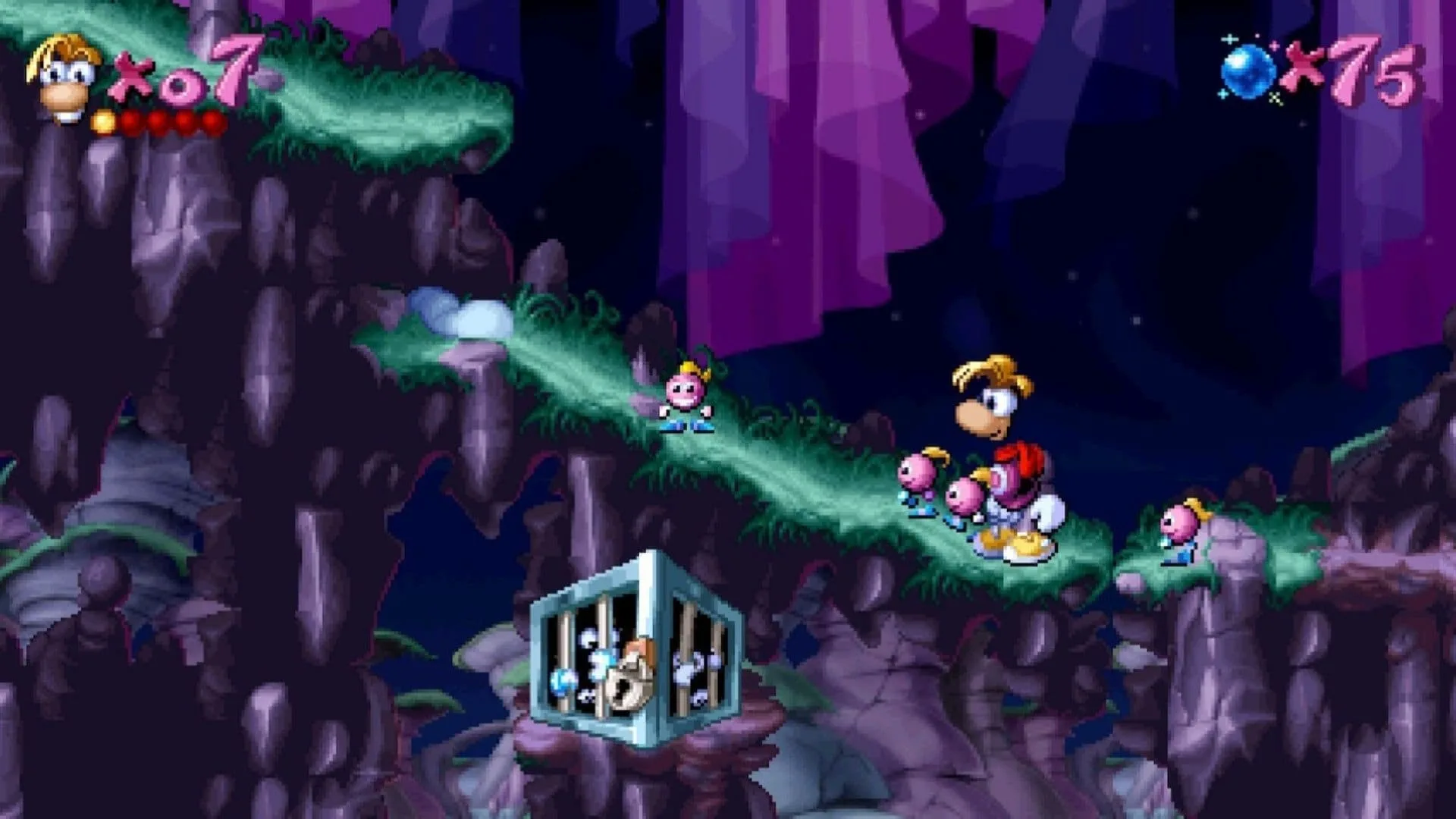
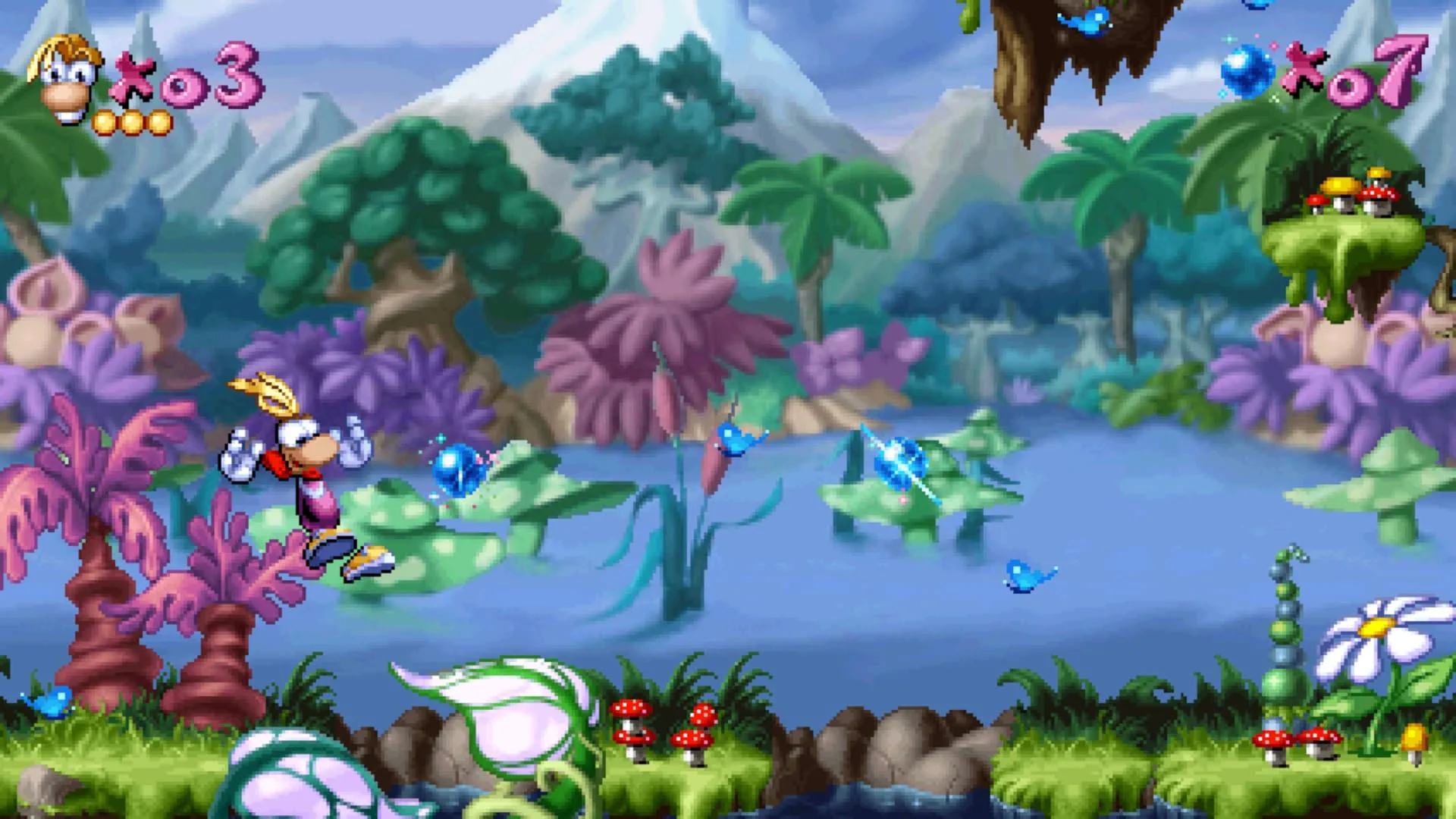
One of the strongest parts of any Rayman 30th Anniversary Edition review has to be the visual identity, because it remains one of the game’s defining strengths. Rayman has always stood apart thanks to its imaginative art direction. The environments feel handcrafted and distinct, with each area offering its own mood, color palette, and visual logic.
There is an organic quality to the world that gives it lasting appeal. The backgrounds are not just decorative. They help shape the emotional tone of each stage. Some zones feel dreamy and inviting, while others feel tense, surreal, or slightly chaotic. That variation keeps the adventure from becoming visually repetitive.
Character design also plays a major role. Rayman himself remains instantly recognizable, and the enemies around him fit naturally into the game’s offbeat universe. Even players with no prior attachment to the franchise can appreciate how much visual thought went into making this world feel alive.
Sound, Music, And Mood
The audio design supports the game’s personality in subtle but important ways. Music in Rayman 30th Anniversary Edition helps build momentum and atmosphere without constantly demanding attention. It knows when to be light, when to be mysterious, and when to push the tension a little further.
Sound effects also add texture to the experience. Small details in movement, attacks, and environmental interaction contribute to the game’s sense of identity. In a platformer, these touches matter more than they sometimes get credit for. They reinforce responsiveness and help the world feel tangible.
Where Nostalgia Helps, And Where It Doesn’t
Nostalgia is one of the biggest reasons people will be drawn to Rayman 30th Anniversary Edition, and for the most part, that nostalgia is earned. Returning fans are likely to enjoy revisiting a game that helped define part of their gaming memory. There is genuine pleasure in seeing familiar stages, enemies, and visual motifs brought back into focus.
Still, nostalgia alone does not guarantee a perfect experience. Some mechanics reflect the era in which the game first made its name. A few sections may feel more rigid than modern players prefer, and that can create friction, especially for newcomers with no emotional connection to the franchise.
That said, the best parts of Rayman are not dependent on nostalgia. The creativity of the world, the recognizable visual tone, and the satisfaction of overcoming a tricky platforming segment still work on their own terms. That is why the game remains relevant beyond pure retro appeal.
Difficulty And Replay Value
Rayman 30th Anniversary Edition is not always an easy ride. It has the kind of challenge that rewards patience and repeated attempts. Some players will love that, especially those who enjoy platformers that ask for precision and attention. Others may find parts of the experience demanding in ways that feel less common in current mainstream releases.
Replay value depends on the kind of player you are. If you enjoy revisiting levels, improving performance, and soaking in a game’s atmosphere, there is plenty to appreciate here. If you prefer one-and-done experiences with constant progression and minimal friction, your patience may be tested.
The game is at its best when it encourages mastery rather than simple completion. That quality gives it staying power.
How It Feels For New Players
Newcomers to Rayman may approach Rayman 30th Anniversary Edition with curiosity rather than nostalgia, and that creates a slightly different experience. Without decades of attachment to the series, the game has to win players over through design alone.
Fortunately, it often does. The world is imaginative, the platforming has a clear identity, and the presentation still carries charm. New players may notice the old-school structure and occasional rough edges more quickly than longtime fans, but they may also be pleasantly surprised by how much personality the game has compared to more generic platformers.
This is not a game that tries to imitate modern trends. It succeeds by being confidently itself.
Strengths That Stand Out
Several qualities make Rayman 30th Anniversary Edition memorable:
- Strong visual style that still feels distinctive.
- Charming world design with creative environments.
- Platforming gameplay that rewards timing and skill.
- A playful tone that gives the adventure real personality.
- A nostalgic pull for longtime fans of Rayman.
- Enough challenge to feel satisfying when progress is earned.
A Few Points That May Divide Players
Not every aspect will work equally well for everyone:
- Some difficulty spikes may feel abrupt.
- Certain design choices reflect an older era of platform games.
- New players may need time to adjust to the game’s rhythm.
- Those expecting major modernization may find the experience more faithful than transformative.
Is It Worth Playing?
If you appreciate classic platform games, Rayman 30th Anniversary Edition is easy to recommend. It captures the spirit of Rayman with confidence and reminds players why the franchise became so beloved in the first place. It is colorful, challenging, and filled with personality.
For older fans, it offers a meaningful return to a distinctive gaming world. For newer players, it works as both a piece of platforming history and a genuinely enjoyable adventure, provided they are open to its old-school sensibilities. It may not smooth out every sharp edge, but it keeps the heart of Rayman intact, and that matters more than flashy reinvention.
In the end, a strong Rayman 30th Anniversary Edition review comes down to this: Rayman 30th Anniversary Edition succeeds because it respects what made Rayman special. It does not rely only on name recognition. It delivers style, charm, challenge, and a clear sense of identity. In a genre crowded with polished but forgettable platformers, that alone makes it worth paying attention to.