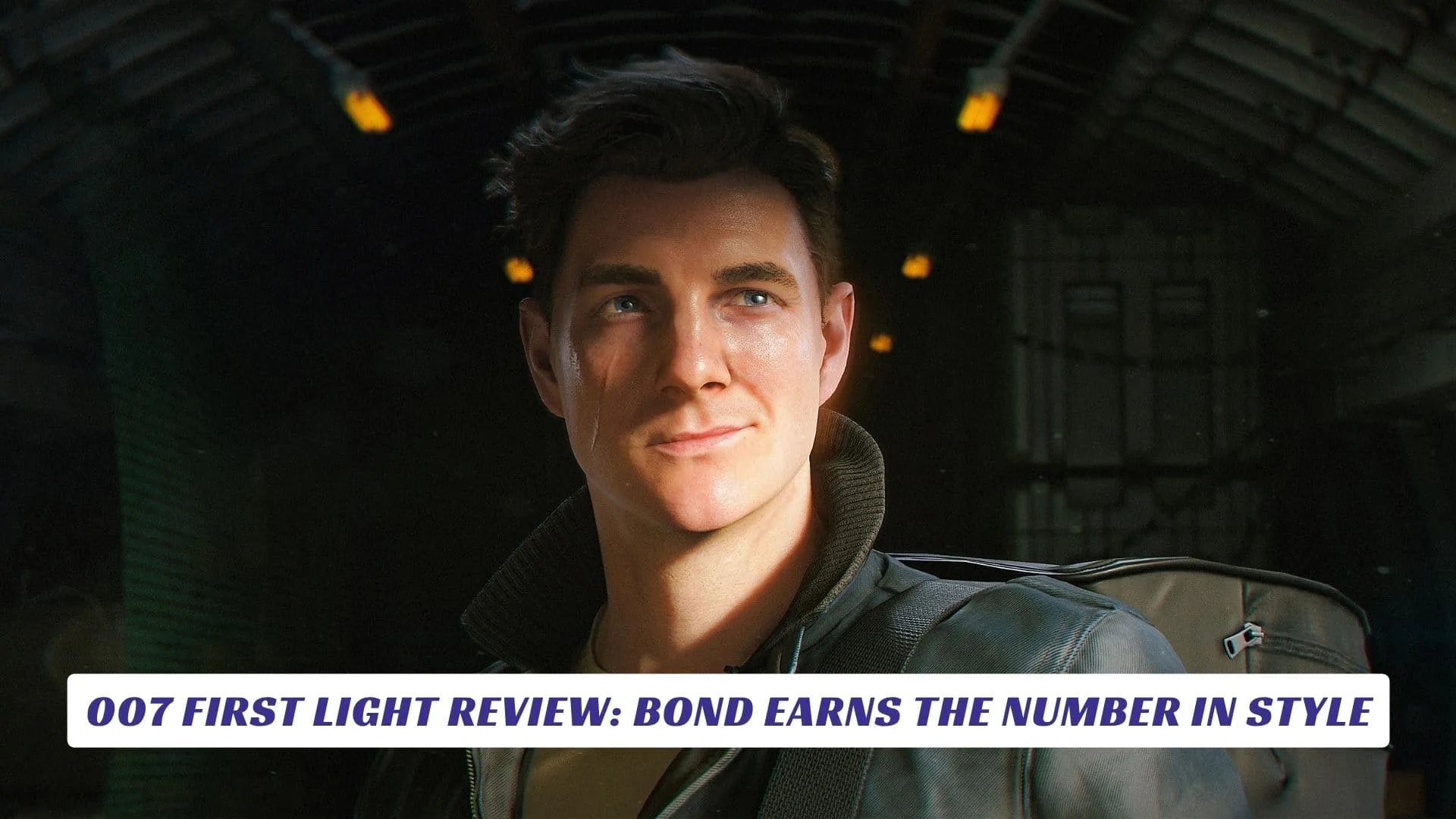
The 007 First Light Review conversation starts with a simple question: can IO Interactive turn the world’s most famous spy into a modern action–adventure game that feels sharp, cinematic, stylish, and genuinely playable, not just another licensed James Bond video game wearing a tuxedo? After spending time with 007 First Light, the answer feels confidently close to yes. This is a Bond origin story built around espionage, stealth gameplay, third-person action, spy gadgets, cinematic missions, car chases, MI6 training, globe-trotting locations, and the personal rise of a young, reckless, but talented James Bond before he fully becomes 007. Instead of dropping players into a fully polished super-spy fantasy from the first scene, 007 First Light lets Bond earn his reputation through mistakes, quick thinking, improvisation, and the kind of dangerous fieldwork that turns a recruit into a legend. It carries the DNA of IO Interactive’s best work, especially in the way missions encourage observation, alternate routes, social stealth, and environmental problem-solving, but it moves faster than Hitman, hits harder than a pure stealth game, and understands that Bond needs charm, momentum, gadgets, danger, and a little chaos in every mission.
A Stylish Origin Story For A Younger Bond
007 First Light does not treat James Bond as a finished icon. That is one of its smartest choices. This version of Bond is still learning how to read a room, control a situation, survive under pressure, and decide when charm is smarter than a bullet. The game leans into that early-career tension, making him confident enough to be dangerous but inexperienced enough to be interesting.
The story follows Bond as he enters the world of MI6 and begins shaping the instincts that will define him later. He is resourceful, sometimes reckless, and often pushed into situations where the clean plan falls apart. That structure gives the campaign a stronger emotional hook than a simple “save the world” spy plot. You are not just stopping villains or chasing secrets. You are watching Bond become Bond.
It also helps that the game keeps the tone classy without feeling stiff. There is glamour, danger, dry wit, betrayal, training-room discipline, and the sense that every exotic destination could hide a trap. 007 First Light understands the fantasy, but it does not drown in nostalgia.
Gameplay That Mixes Stealth, Action, And Spycraft
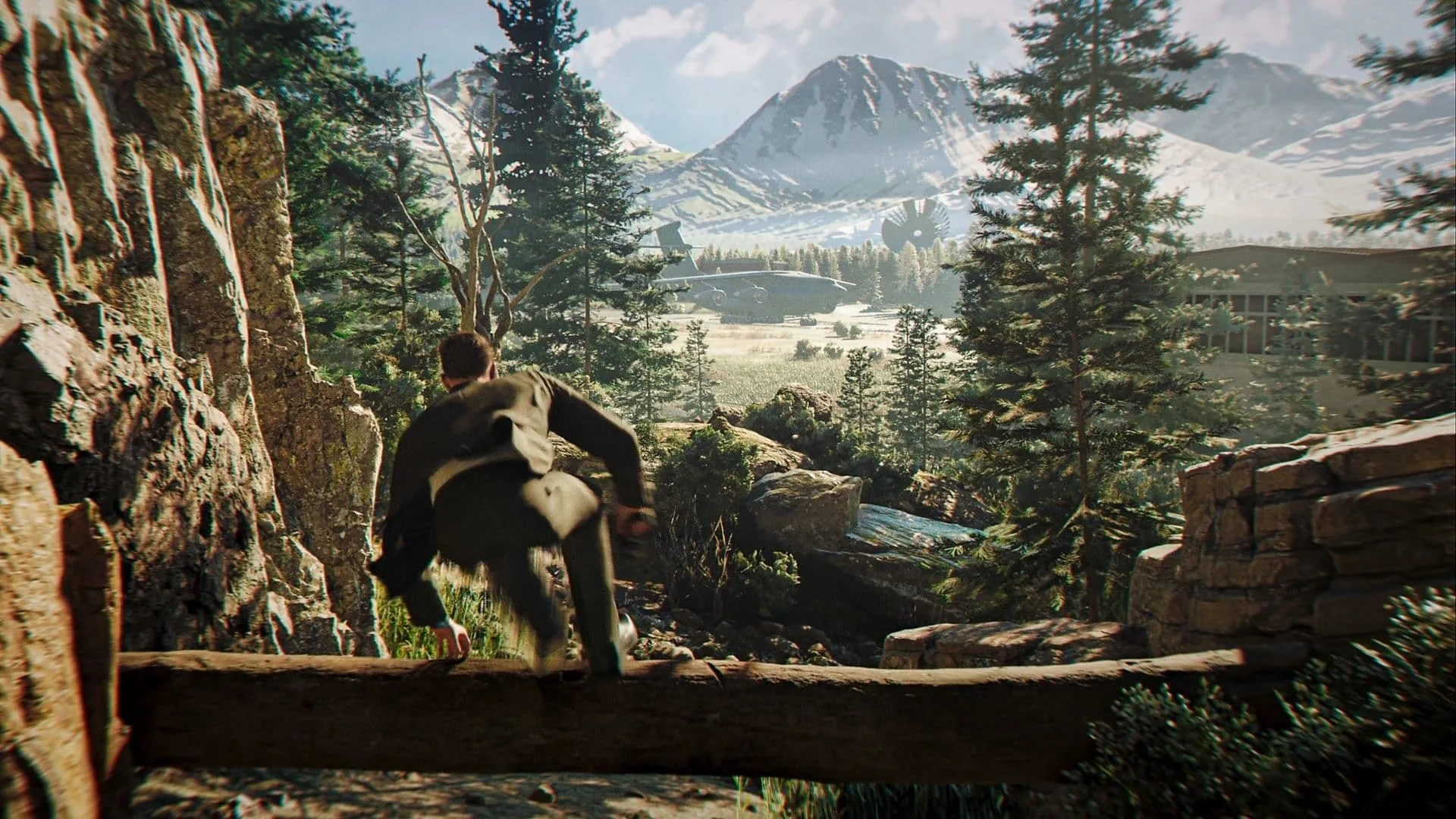
The core loop of 007 First Light works because it gives players several ways to behave like Bond. You can observe guards, listen for useful information, slip into restricted areas, pickpocket key items, manipulate distractions, hack through security, or simply push forward when the situation gets loud. The game rarely feels like it wants one perfect answer. Instead, it nudges you to improvise.
Stealth has weight, but it is not slow. Unlike Hitman, where patience and planning often define the rhythm, 007 First Light pushes you toward forward movement. You still read patrols and environments, but the game wants you to act, adapt, and keep the mission alive. That makes the experience feel more cinematic and more Bond-like.
When stealth fails, combat does not feel like punishment. Close-quarters takedowns have impact, gunplay is sharp enough to carry louder encounters, and Bond’s tools give fights a tactical flavour. The best moments happen when stealth, gadgets, and combat overlap. You might start by sneaking through a gala, bluff your way past suspicion, disable a camera, get exposed, then finish the sequence with a brutal takedown and a clean escape.
Gadgets Make Every Mission More Playful
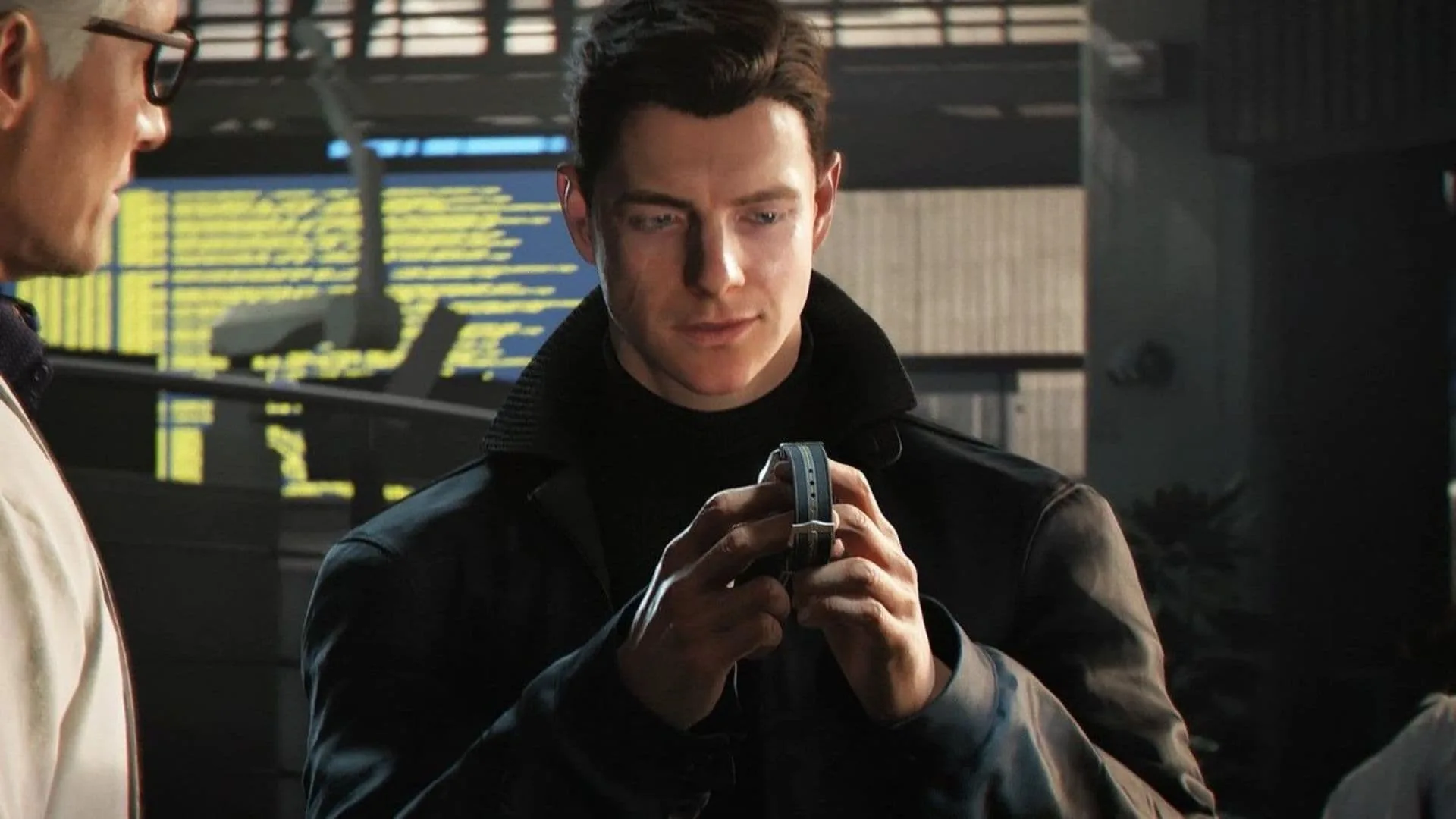
A Bond game needs gadgets, and 007 First Light knows it. The Q-Watch, phone, earphones, lighter, and pen are not just cosmetic spy toys. They help shape the way you approach problems, whether you are distracting enemies, opening paths, gathering information, or turning an ordinary object into a tactical advantage.
The gadgets work best when they feel like part of the world rather than menu-based magic tricks. A locked door, a suspicious guard, a hidden clue, or a security system can become an opportunity if you pay attention. That gives missions a satisfying layer of problem-solving.
The Q Branch tools also give 007 First Light a stronger identity. It is not just a shooter. It is not just a stealth game. It is a spy adventure where preparation, instinct, and timing matter.
Missions Feel Like Playable Bond Set Pieces
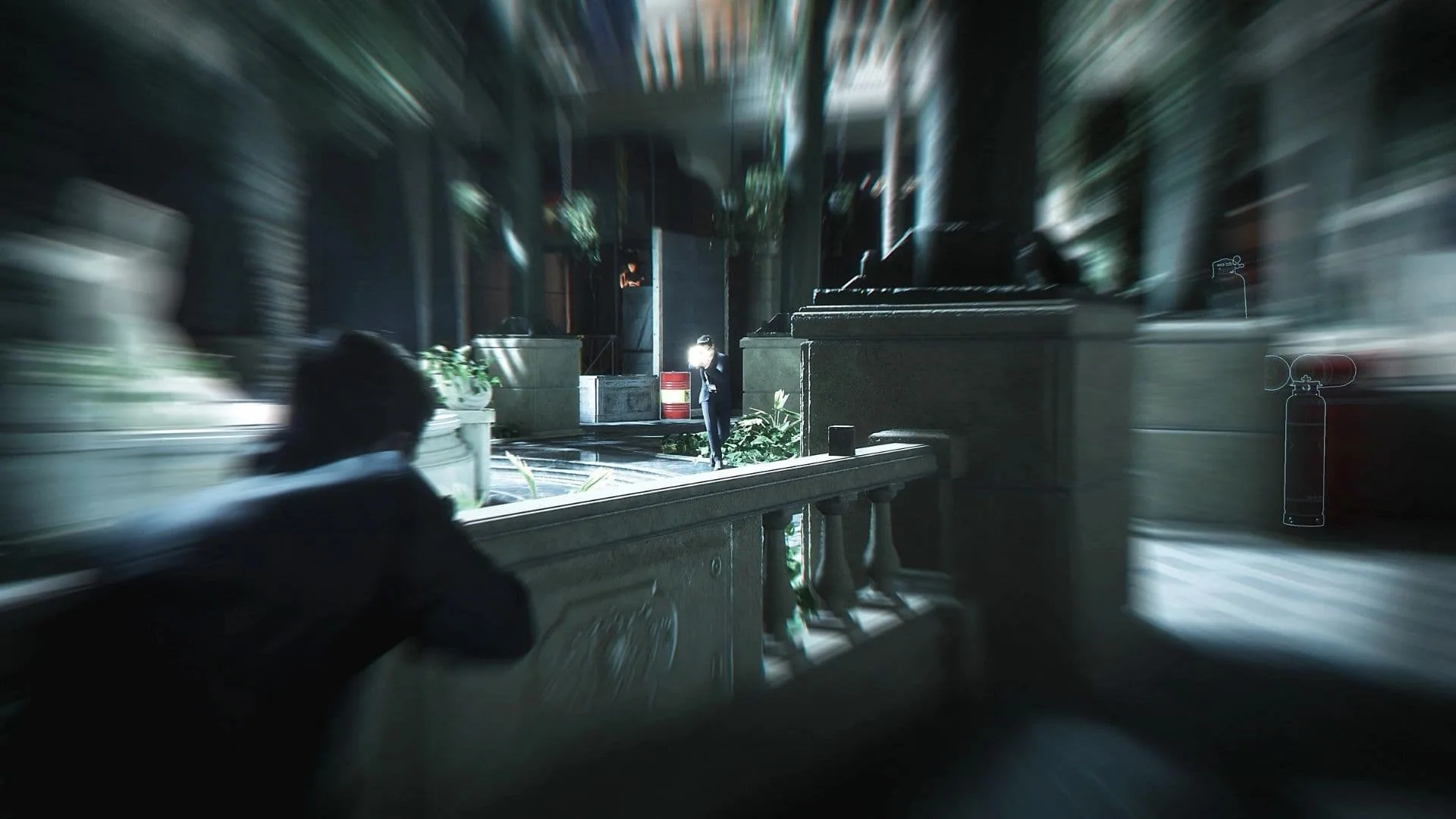
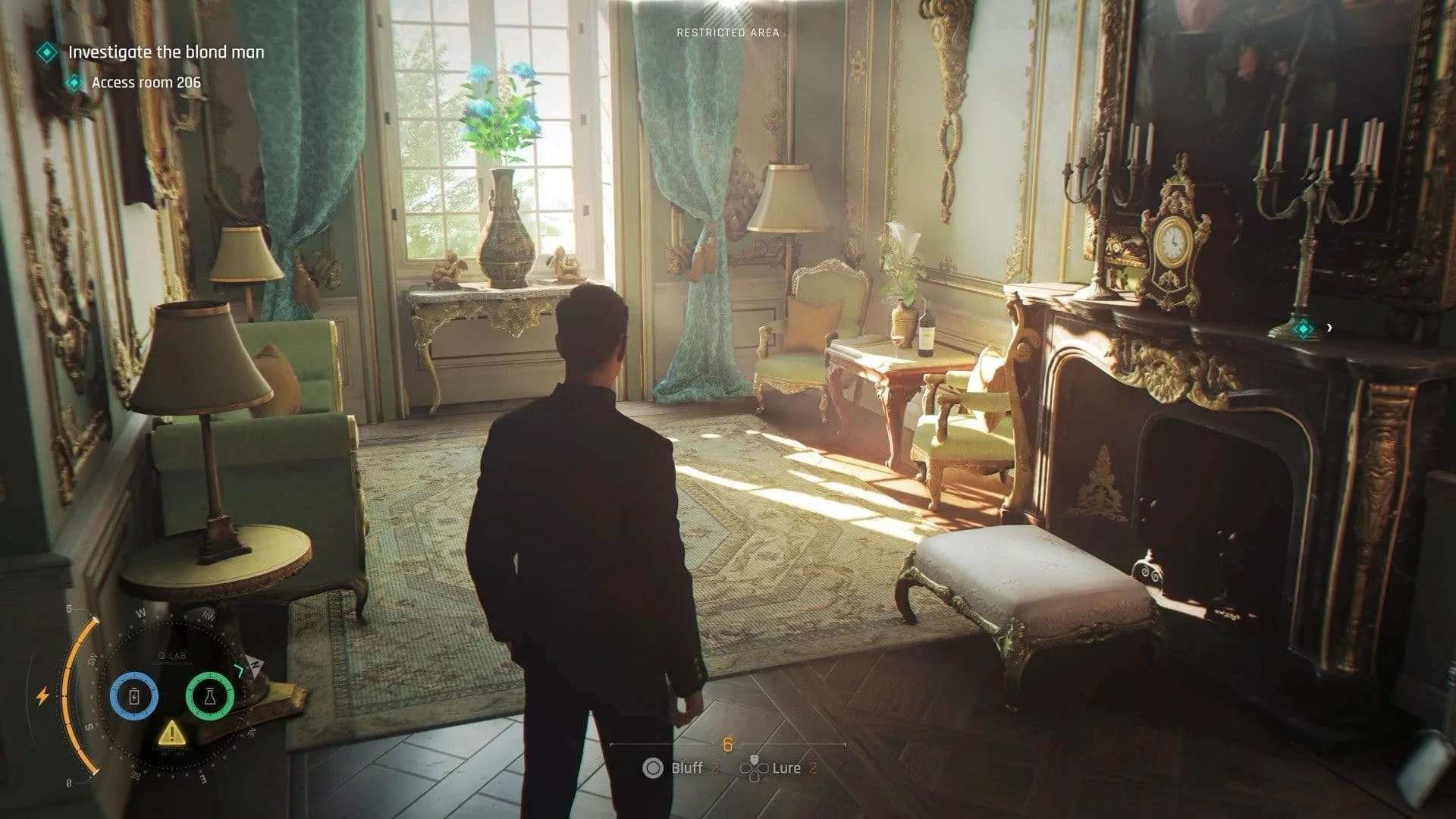
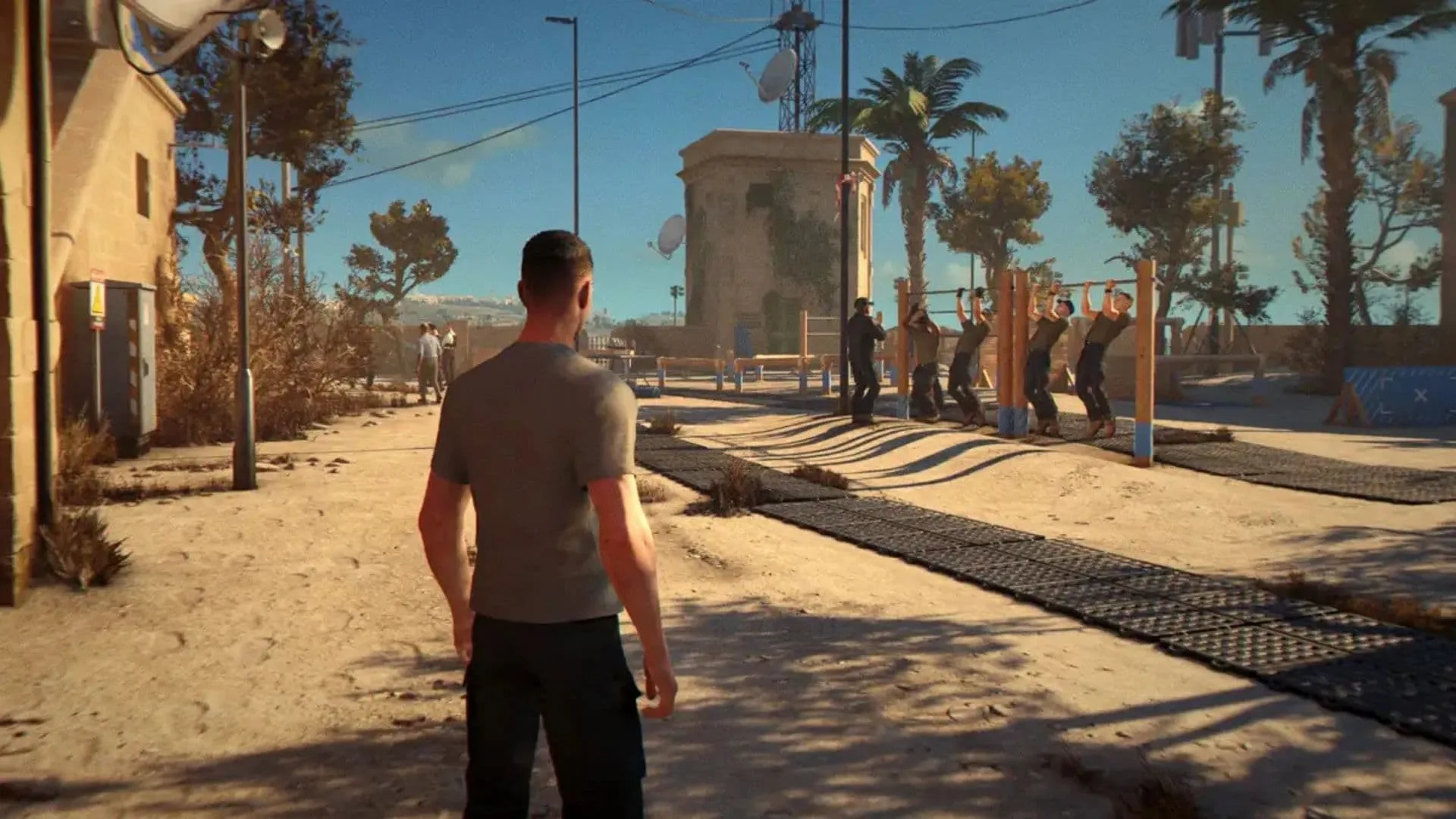
The campaign travels through a strong mix of locations, including Iceland, MI6 in London, Malta, Slovakia, Mauritania, Kensington, Vietnam, and Antarctica. That variety helps the game feel expensive and adventurous. Each location brings a different mood, from harsh infiltration and formal luxury to training grounds, black market danger, and high-tech villainy.
The Grand Carpathian Hotel mission is exactly the sort of setting that suits Bond. A five-star hotel, a chess championship, a rogue spy, and layers of suspicion create the kind of glamorous danger the franchise does best. Kensington also stands out because it turns a tech industry gala into a playground for social stealth, tension, and sudden violence.
The more action-heavy locations keep the pace from becoming too polite. Bond is not only sneaking through velvet ropes and private rooms. He is surviving hostile bases, dangerous markets, and remote facilities where things can turn explosive quickly.
Bond’s Instinct Adds A Smart Hero Fantasy
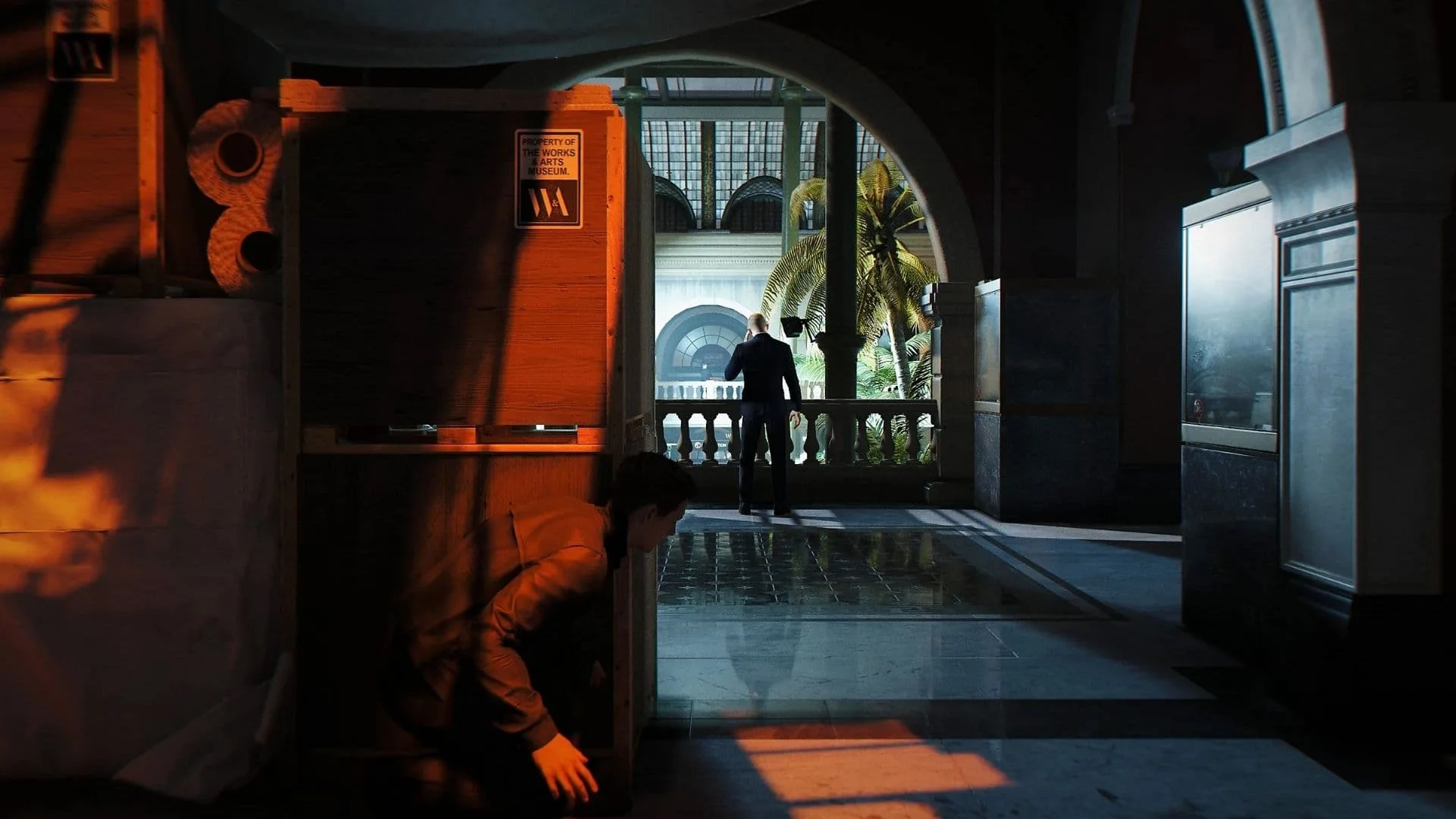
Bond’s Instinct is one of the game’s most fitting systems. It gives players a way to lean into Bond’s confidence without turning him into a superhero. Used well, it can help lure enemies, bluff through suspicion, or sharpen focus during combat. It feels like a gameplay translation of Bond’s nerve under pressure.
The mechanic also supports the character arc. Young Bond is not perfect, but he is unusually calm when things go wrong. Bond’s Instinct captures that quality nicely. It lets you recover from messy situations and make bold choices, which fits the fantasy far better than a simple detective vision mode would have.
Combat Is Fast, Stylish, And Better Than Expected
Combat in 007 First Light is at its best when it feels physical. Bond moves like someone trained to end a fight quickly, not like a bullet sponge clearing arenas. Close-range attacks, quick counters, and firearm encounters give the game enough punch to support its louder sequences.
The escalation system also matters. The game understands that Bond is not supposed to shoot everything in sight from the opening minute. Violence feels more controlled when the mission allows it, then more explosive when the situation demands it. That balance helps preserve the spy fantasy.
Not every combat encounter is equally memorable, and some enemy layouts feel more familiar than surprising. Still, the overall action works because it supports the mission flow. It keeps you moving, keeps the camera close, and keeps Bond looking cool without removing player control.
Driving Adds Big-Screen Energy
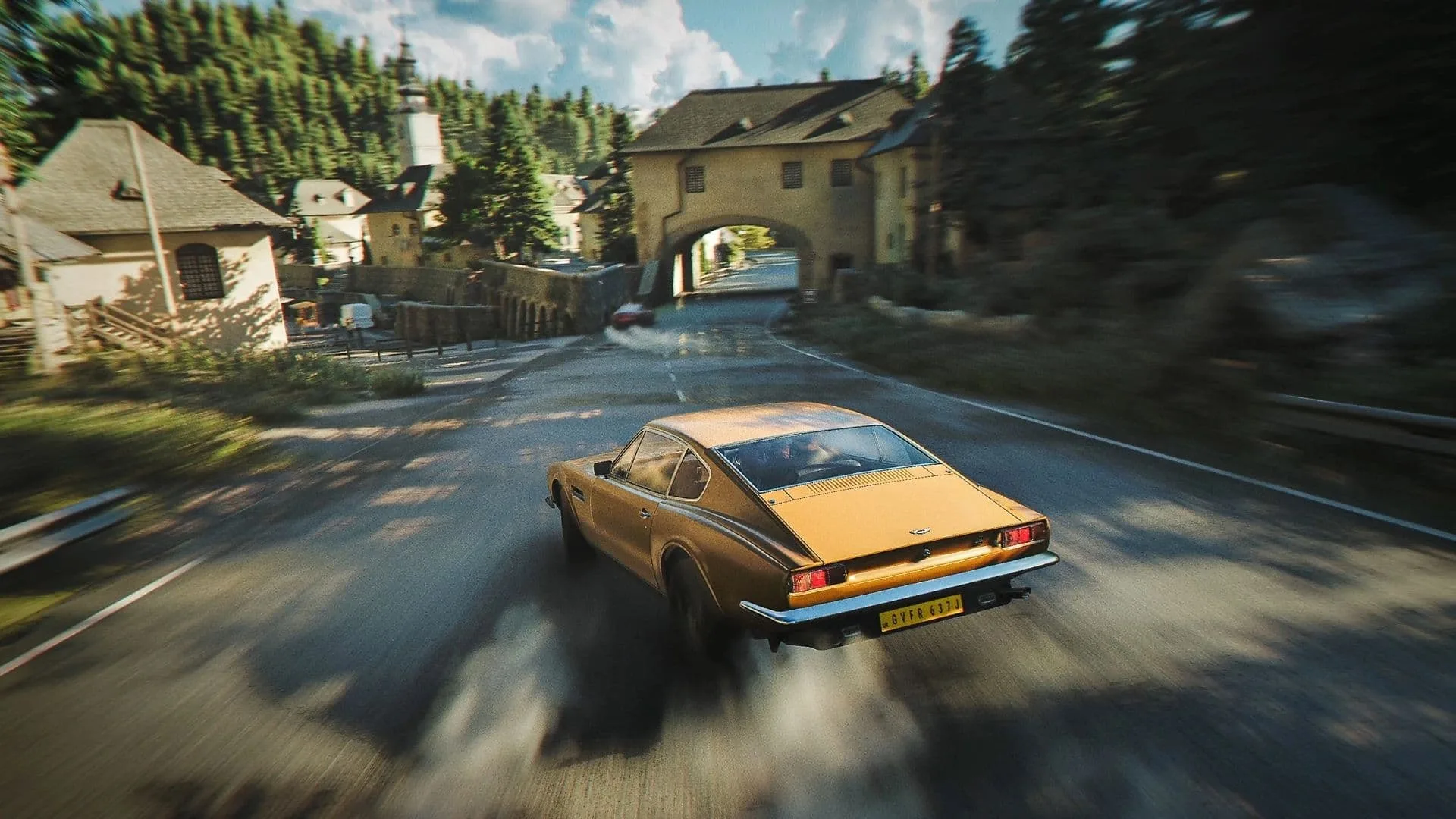
A Bond adventure without driving would feel incomplete, so it is good that 007 First Light makes vehicles part of the experience. The driving sequences bring a different kind of pressure, shifting the game from quiet infiltration to big-screen pursuit.
These sections are not just there for spectacle. They give the campaign a rhythm change and help sell Bond’s full skill set. He is not only a spy with a pistol and a gadget. He is a driver, a risk-taker, and a field agent who can stay composed when everything is moving too fast.
Some players may wish the driving had even more freedom, but as part of the campaign’s cinematic structure, it works. It gives the game energy at the right moments and helps separate 007 First Light from IO Interactive’s earlier work.
TacSim Gives The Game Replay Value
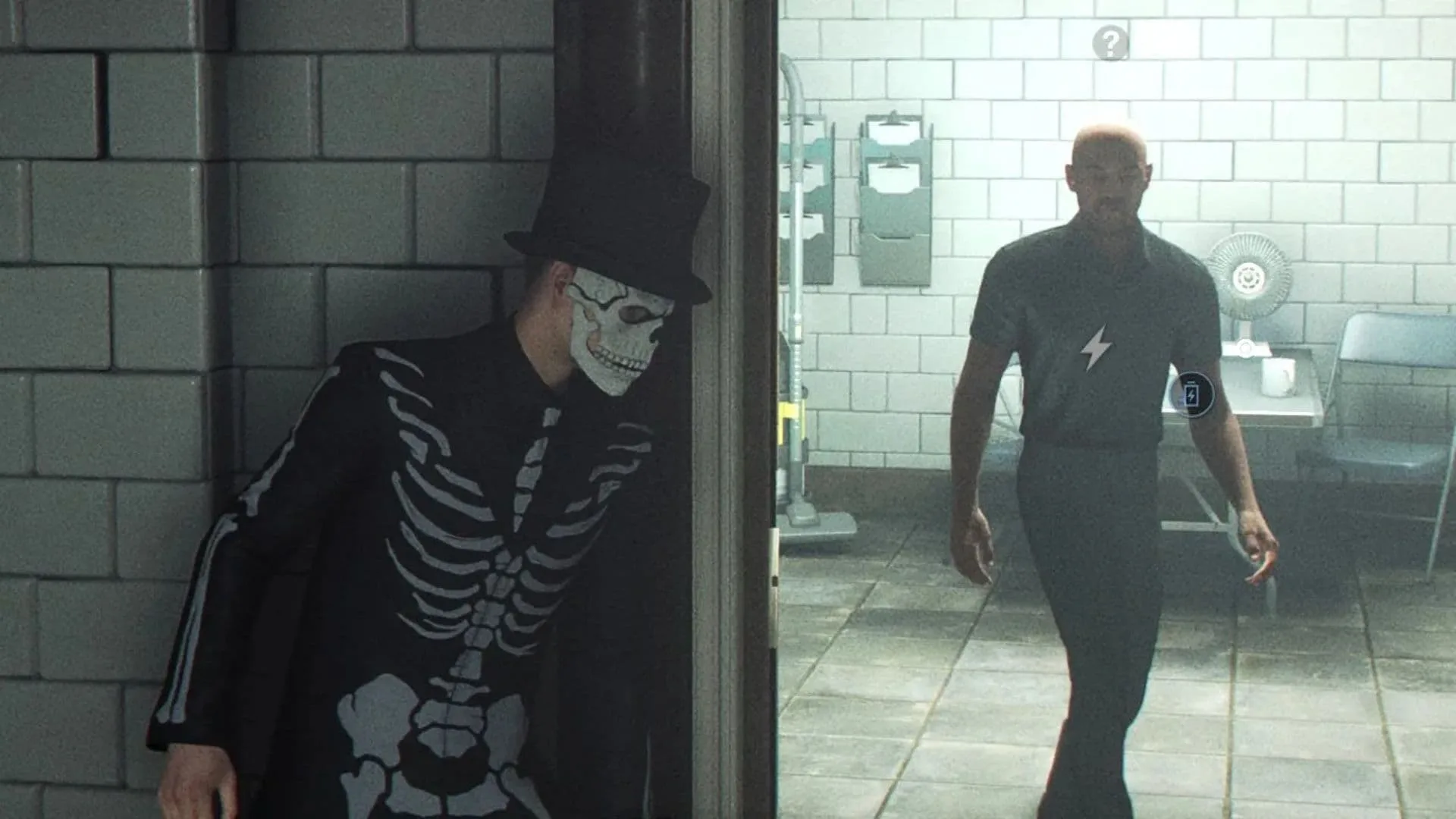
TacSim is a smart addition because it gives players a reason to return after finishing the main campaign. Instead of leaving missions as one-and-done story chapters, the mode turns them into replayable challenges with scoring, modifiers, unlocks, and room for experimentation.
This is where players who enjoy mastery will likely spend extra time. TacSim encourages you to test routes, refine strategies, replay objectives, and approach familiar spaces in new ways. It also fits naturally inside the MI6 training fantasy, which makes the replay mode feel more connected to the world.
For a game that blends linear cinematic pacing with player-driven choice, TacSim is important. It gives 007 First Light more legs beyond the story.

Presentation, Atmosphere, And Bond Style
Visually, 007 First Light knows what it wants to be. It is sleek, polished, and full of locations that feel built for spy drama. MI6 has the right secretive charm, luxury settings feel dangerous under the surface, and hostile regions bring grit without losing the elegant Bond identity.
The soundtrack and sound design do a lot of quiet work. The game understands suspense, sudden action, and the thrill of a mission turning sideways. Gadgets click, weapons crack, footsteps matter, and the music knows when to tease danger before letting the scene explode.
Most importantly, the presentation sells Bond as a character, not just a player avatar. He talks, reacts, improvises, and carries himself with personality. That matters because Bond without charm is just another action hero in a suit.
What Works Best
The biggest strength of 007 First Light is its balance. It gives players stealth without becoming too slow, action without becoming too generic, gadgets without becoming silly, and cinematic storytelling without removing player agency. That is not easy.
The origin story angle also gives the game room to breathe. Bond can fail, learn, push boundaries, and grow into the role. That makes the campaign feel more personal than a standard licensed mission pack.
The mission variety is another highlight. From luxury hotels to black market danger and frozen research sites, 007 First Light gives players enough location changes to keep the adventure feeling like a proper global spy thriller.
What Could Be Better
007 First Light is not flawless. Some players expecting the deep sandbox freedom of Hitman World of Assassination may find certain missions more guided than they hoped. The game offers choices, but it is still built around cinematic forward momentum. That is part of its identity, but it may disappoint players who want every level to behave like a giant clockwork puzzle.
A few action encounters also feel more familiar than inventive. The combat is stylish and enjoyable, but there are moments where enemy pressure and cover-based shooting settle into expected patterns.
The game is strongest when it lets spycraft, gadgets, stealth, and action blend together. When it leans too hard into straightforward fighting, it becomes good rather than great.
Who Should Play 007 First Light
Play 007 First Light if you want a modern James Bond game with stealth, gadgets, story, action, and cinematic set pieces. It is especially easy to recommend for players who enjoy spy thrillers, third-person action-adventure games, stylish single-player campaigns, and mission-based gameplay with multiple approaches.
Fans of Hitman should also be interested, but they should not expect the same exact structure. 007 First Light is more direct, more dramatic, and more focused on momentum. It borrows some IO Interactive intelligence, then reshapes it around Bond’s personality.
Players who mainly want open-world exploration or deep RPG builds may not find that here. This is a focused spy adventure, not a sprawling checklist game.
Final Verdict
007 First Light succeeds because it understands what a James Bond game should feel like in 2026. It is stylish, confident, cinematic, and flexible enough to let players feel clever without slowing the adventure down. The stealth is satisfying, the gadgets are fun, the action has bite, and the origin story gives Bond a meaningful arc instead of treating him like a finished brand mascot.
Its more guided structure may not satisfy everyone, and a few combat-heavy moments could have used more surprise. Still, the overall package is strong. 007 First Light feels like the start of a new era for Bond in games, one where espionage, charm, danger, and player choice finally share the same spotlight.
For Bond fans, this is an easy recommendation. For action-adventure players, it is a slick and memorable campaign. For IO Interactive, it is proof that the studio can step out from the shadow of Hitman and still deliver something sharp enough to leave a mark.
Score: 8.5/10
You may also like: Project Landsword Review: A Masterclass in Action RPG Combat · Assassin’s Creed 2 Game of the Year Edition Review: Why Ezio’s Renaissance Still Reigns Supreme · Gingiva Game Review – A Surreal Indie RPG