In short: An S-tier unit in your inventory is exciting. An S-tier unit you cannot afford to deploy before the lane collapses is a different story.
An S-tier unit in your inventory is exciting. An S-tier unit you cannot afford to deploy before the lane collapses is a different story. Anime Adventures tier lists are useful for finding strong characters, but they often assume evolved forms, upgraded attacks, suitable teammates, and enough money to reach the point where a unit becomes powerful. Your next investment should start with the stage you are trying to clear.
If you lose before the first expensive upgrade, an endgame damage dealer may not fix the problem. If your ground units clear ordinary waves but cannot reach the enemies that slip through, another ground attacker may leave the same gap.
This is a practical priority list for building a functional team: establish an opener, secure an income plan, cover the required enemy types, and then invest in damage and support that work together.
Read the Assumptions Behind the Rank
A unit’s name is only the beginning of the comparison. Check whether the list means the base version or an evolved form, whether a particular trait is assumed, and which mode the ranking covers.
The distinction is especially useful when browsing anime adventures units for sale. A listing for a base character should not be judged as though it already includes an evolution, a premium trait, or every upgrade used in a showcase. Check the exact unit and its trade eligibility rather than assuming that everything on a tier list can be transferred.
Names also change between versions and guides. Bulby may be called Bulmy in older material, while Commander appears in older discussions as Orwin. Match the current inventory name and ability description before spending resources on an apparent recommendation.
This guide uses a handful of named examples to explain roles. It is not a complete ranking of every unit released in every update.
The First Priority Is a Team That Reaches Its Upgrades
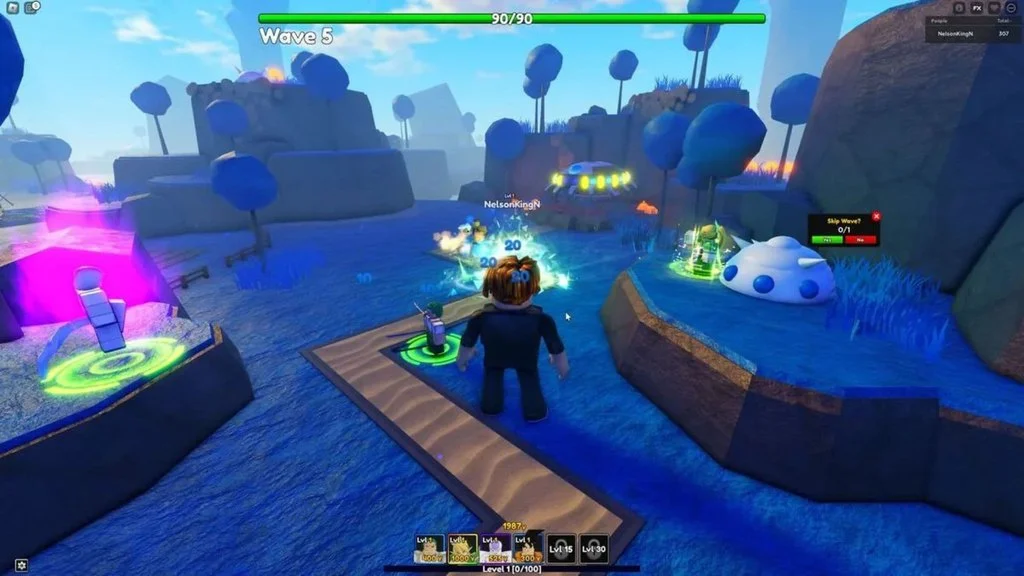
Before choosing a new carry, look at the first point where a run fails. Does the opening attacker cost too much? Are you saving for a stronger unit while enemies reach the exit? Or are you buying economy upgrades before the lane is secure?
An opener needs to do useful work with the money available early. That can mean using a less celebrated unit you already own, then replacing it later in the run. There is no benefit in copying a late-game lineup if you cannot survive long enough to build it.
The challenge of placing defenders and timing upgrades appears throughout Lawod’s tower defense coverage. In Anime Adventures, start by making sure your own lineup can hold the lane before investing heavily in economy.
Once the opening is stable, give the next slot a clear purpose.
| Team need | Unit to inspect | Why it belongs in the discussion | What to verify |
| Sustained income | Bulby | A farm unit used to fund later placements and upgrades | Current costs, income, and time available to recover the investment |
| A simpler economy option | Speedcart | A familiar farm option in team-building guides | Whether it fits the stage better than a second expensive investment |
| Physical damage support | Commander | A buffing option for a compatible damage core | Ability text, coverage, and which attackers benefit |
| Magic damage support | Elfy (Sylph) | A support option associated with magic-focused teams | Exact version, buff conditions, and placement |
| Coverage beyond ground-only damage | Dark Mage (Fallen Star) | A hybrid example worth examining for airborne coverage | Current targeting rules and the upgrade that enables the required attack |
Bulby and Speedcart: Economy Is About Timing
A farm unit does not clear the lane by itself. Its purpose is to turn an early investment into money for later combat units. That makes timing essential.
Bulby is a useful candidate for longer runs where you have time to benefit from the economy. Speedcart remains worth inspecting when you want an economy option that fits your current resources. Which one is better for your run depends on the actual costs and payouts shown in the version you are playing.
Consider a story stage where you can already clear the early waves with one affordable attacker. An economy placement may let you reach the next combat upgrade sooner. In another stage, placing that same farm before your opener is ready may cause an immediate loss.
The practical rule is to pay for enough defense to survive the next wave, then expand the economy when the lane allows it. Do not copy a farm-heavy setup without checking who is responsible for early defense, especially in multiplayer.
Commander and Elfy: Build the Support Around the Carry
Support should match the attackers doing the work. Commander and Elfy are useful examples because they push you to check the damage type and effect instead of treating “buffer” as a universal label.
A team built around a physical carry should inspect Commander’s current buff. A magic-focused lineup should inspect Elfy’s corresponding role. Confirm coverage and activation conditions in-game; a support placed where the main attacker cannot benefit is using a slot without delivering its intended value.
Destructoid’s unit tier list separates support from damage recommendations and highlights both characters. That separation is more helpful than comparing a farm, a buffer, and a damage dealer on one raw DPS number.
When comparing versions in an anime adventures shop, choose the role first. A support that strengthens an existing core can be more useful than another attacker competing for the same deployment money. That conclusion depends on the team, not on a promise that any purchase guarantees a clear.
Check Coverage Before Adding More Damage
Watch the enemies that reach the exit. If they are not being targeted, a higher damage number on the same ground-only attacker will not fix the missing coverage.
Dark Mage (Fallen Star) is one example to inspect when you need hybrid coverage. The evolved form matters, as do the current targeting rules and relevant upgrades. Read what the unit can hit at the point you need it, rather than assuming the fully upgraded attack is available immediately.
This is also where expensive picks such as Illusionist (Transcended) require context. A strong unit with a high setup cost may be valuable in a longer mode while being awkward as the only answer to an early threat.
In practical terms, an inventory with one developed carry, a suitable coverage unit, an economy option, and compatible support can offer a clearer plan than several unfinished high-rarity attackers.
Spend on the Next Useful Breakpoint
For a unit you already own, write down what the next investment actually changes. An evolution might unlock an important attack; a level increase may improve an existing role; a trait reroll may offer an uncertain result. These are different uses of resources.
For example, if the missing piece is the evolved form’s coverage, collecting its materials answers a specific problem. Rerolling a trait on a different unit does not automatically answer that same problem. Start with the upgrade whose benefit you can identify before spending.
Check the current evolution menu for materials and prerequisites. Older screenshots may use earlier names or recipes, and a character with a familiar appearance is not proof that it is the same form.
A Useful Tier List Ends With a Team Decision
Before building another unit, name the problem it will solve: stabilize the opening, fund upgrades, cover an enemy type, improve boss damage, or support the carry you already use.
Then check the exact form, ability, cost, and placement requirements. A top rank is a useful lead. The better investment is the unit that turns your current roster into a team with a plan for the stage ahead.