In short: Watching someone play a game online used to be a fairly passive experience. You could follow the action, leave a comment, and maybe get a response from the person streaming.
Watching someone play a game online used to be a fairly passive experience. You could follow the action, leave a comment, and maybe get a response from the person streaming. Today, viewers can vote on what happens next, participate in community challenges, and sometimes influence the game itself.
Live streaming technology has also changed how people access games. Cloud gaming makes it possible to play demanding titles without owning a powerful gaming computer, while other formats use live video to connect participants with real people.
These developments are giving players more ways to enjoy games, whether they’re holding a controller or watching from another screen.
Live-Hosted Games Bring Human Interaction Online
Not every streaming-based game involves someone controlling a digital character. Some use live video to connect participants with a host in another location. In an online trivia event, for instance, the host reads questions, responds to participants, and announces results while everyone follows the same broadcast.
A similar approach appears in live dealer table games, where video streams connect eligible adult participants with real dealers conducting casino games in real time. Unlike conventional video games, the action takes place at a physical table, and participants use an online interface to make permitted selections.
The rules and audiences differ, but both formats show how a live host can make a remote experience feel more interactive. The person on screen responds to what happens rather than simply appearing in a prerecorded video.
From Watching Games to Taking Part
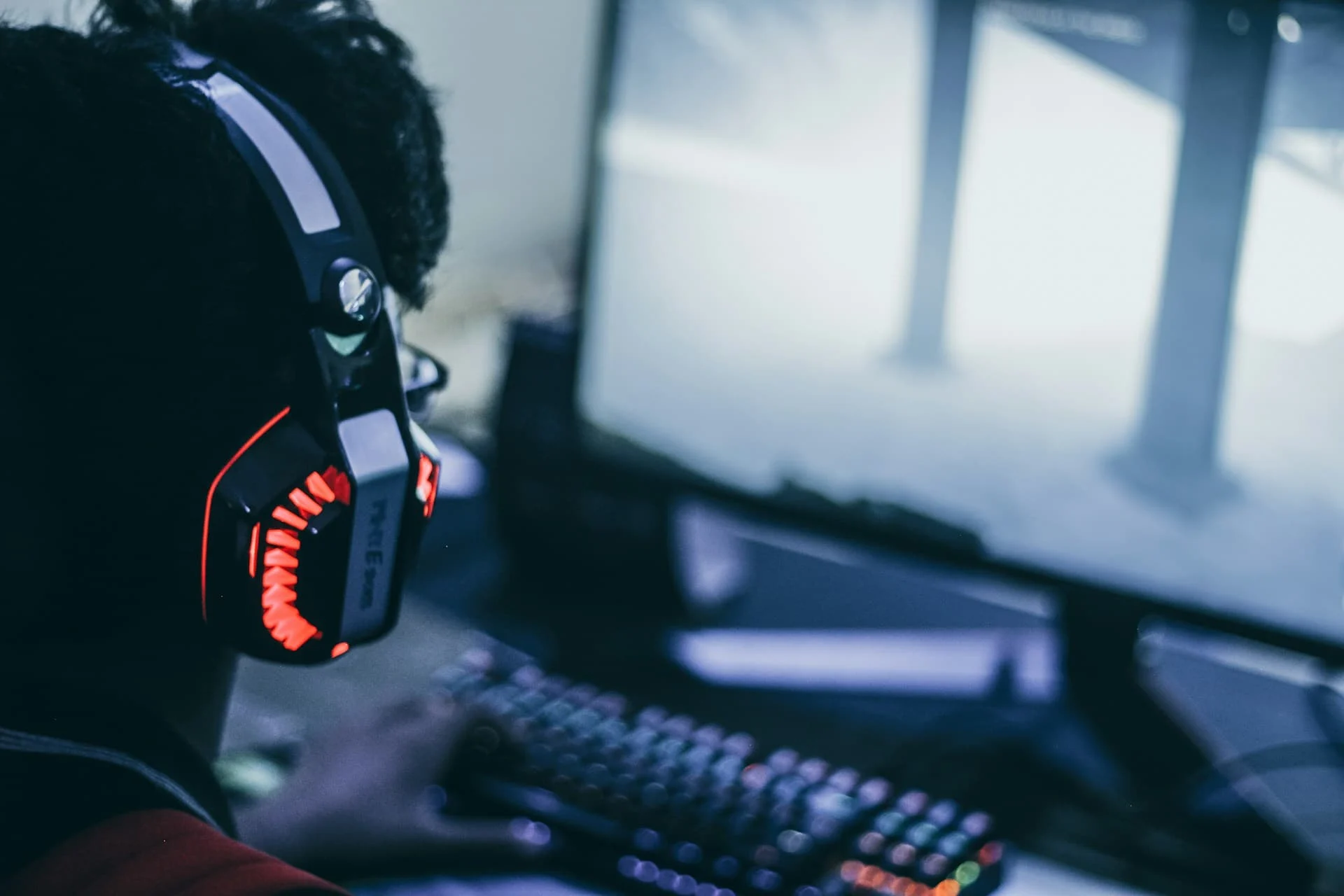
Game streaming has become a familiar part of gaming culture. Players broadcast their sessions, share commentary, and talk with audiences watching from different places. Often, the conversation alongside the gameplay is what keeps people coming back.
A streamer might ask viewers to choose the next challenge, respond to suggestions in chat, or organize a community activity. Unlike a recorded gameplay video, a live broadcast gives viewers the possibility of an immediate response. The person playing can adjust to what’s happening as the session unfolds.
Platforms have developed tools for this kind of participation. Features such as polls and prediction tools let viewers weigh in on decisions or anticipate outcomes during a broadcast. The streamer still controls the game, of course, but the audience has more to do than sit and watch.
Cloud Gaming Makes Games Available in New Places
Live streaming technology is changing where games can be played, too. With cloud gaming, a game runs on a remote server instead of relying entirely on the player’s device. The server processes the action and streams video to the screen, while controller or keyboard inputs travel back to the server.
Cloud gaming services use remote hardware to run supported games on compatible computers, phones, and other devices. That doesn’t mean every title works everywhere. Compatibility, service availability, and internet requirements still affect what people can play.
A major challenge is latency, the delay between sending a command and seeing the result. Imagine pressing jump just before a character reaches an obstacle. If the connection adds too much delay, the character might react too late. A temporary slowdown can also reduce video quality, even when the device itself is working fine.
Cloud gaming may reduce the need for expensive local hardware, but it can’t eliminate the importance of a stable connection. For fast-moving games, that difference is especially noticeable.
Interactive Streaming Is Creating New Game Formats
Streaming has opened up possibilities for games designed around the audience, rather than games that simply happen to be broadcast. Developers can give viewers a defined role, such as choosing environmental changes or deciding which challenge appears next. The player remains in control of the main character, but the people watching help shape the session.
There are several ways this can work:
- Community voting: Viewers choose between options that affect the next challenge or activity.
- Interactive events: Audience input triggers a specific change during a broadcast.
- Shared challenges: Streamers and viewers work toward a common objective.
These mechanics need more than a video feed. The game or streaming platform must receive audience input, process it, and communicate the result at the right moment. A vote that closes after the relevant scene has passed won’t feel very interactive.
That timing can make each session unpredictable in a good way. Two creators could play the same game but face different situations because their audiences made different choices.
The Technology Behind a Smoother Experience
All these formats depend on technical systems working together. Video has to reach viewers, audience input needs to travel back when interaction is involved, and the connection must remain steady enough to keep everything moving.
Three technologies are particularly useful:
- Low-latency streaming: Reduces the gap between an event and when viewers see it.
- Adaptive bitrate streaming: Changes video quality as network conditions shift, helping avoid interruptions.
- Content delivery networks: Distribute video across servers so broadcasts can reach people in different locations.
Each solves a slightly different problem. Audience voting works better when responses arrive quickly, while cloud gaming needs responsive controls. Adaptive video quality can help a broadcast continue during a temporary slowdown, even if the picture becomes less sharp for a while.
None of this is especially visible when everything works. Viewers simply see a stream that plays smoothly, and players expect their actions to register when they press a button.
Where Live Gaming Experiences Are Heading
Live streaming has made gaming less of a choice between playing and watching. People can join a broadcast, influence a creator’s next move, or access a game running on a server far from their own device. Live-hosted formats offer another example of what real-time video can do.
Connections still lag, devices have limits, and not every interactive idea makes a game more enjoyable. But developers now have more ways to combine gameplay, video, and audience participation. The interesting question is which of those ideas people will actually want to return to.