In this Pragmata Review, we dive into one of the most anticipated sci-fi games of the decade — a mysterious blend of futuristic technology, emotional storytelling, and post-apocalyptic exploration. Pragmata, developed and published by Capcom, has intrigued gamers since its initial reveal with its hauntingly beautiful trailer showing a space-suited figure and a young girl wandering through an empty city. The game offers a captivating experience that combines immersive world-building, cutting-edge graphics, and thought-provoking gameplay mechanics. Fans of science fiction, narrative-driven adventures, and visually stunning PlayStation 5 or Xbox Series X titles have been eagerly waiting to see if Pragmata will live up to its promise. This review unpacks everything — from gameplay and story to visuals and performance — helping you decide whether Pragmata deserves a spot in your gaming library.
Story And Setting
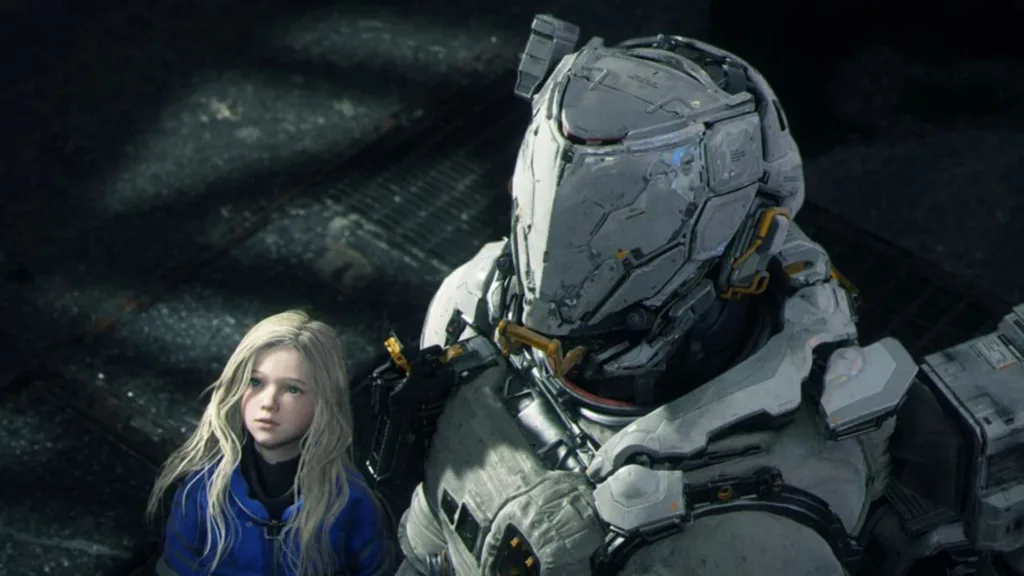
Pragmata takes players on an interplanetary journey set in a dystopian future where Earth’s reality bends and breaks. The story begins with a lone astronaut discovering a mysterious girl named Diana in a surreal city that defies physics. Suddenly, the sky fractures, gravity twists, and the pair is launched toward the moon — beginning a tale filled with loneliness, hope, and human connection. The narrative unfolds through environmental storytelling, subtle dialogues, and symbolic imagery rather than traditional cutscenes.
Capcom’s writing feels mature and thought-provoking, taking inspiration from classic sci-fi films and cyberpunk literature while maintaining its own unique emotional identity. The isolation of space, the fragility of humanity, and the quest for meaning in a collapsing reality lie at the heart of Pragmata’s deeply engaging story.
Gameplay Mechanics
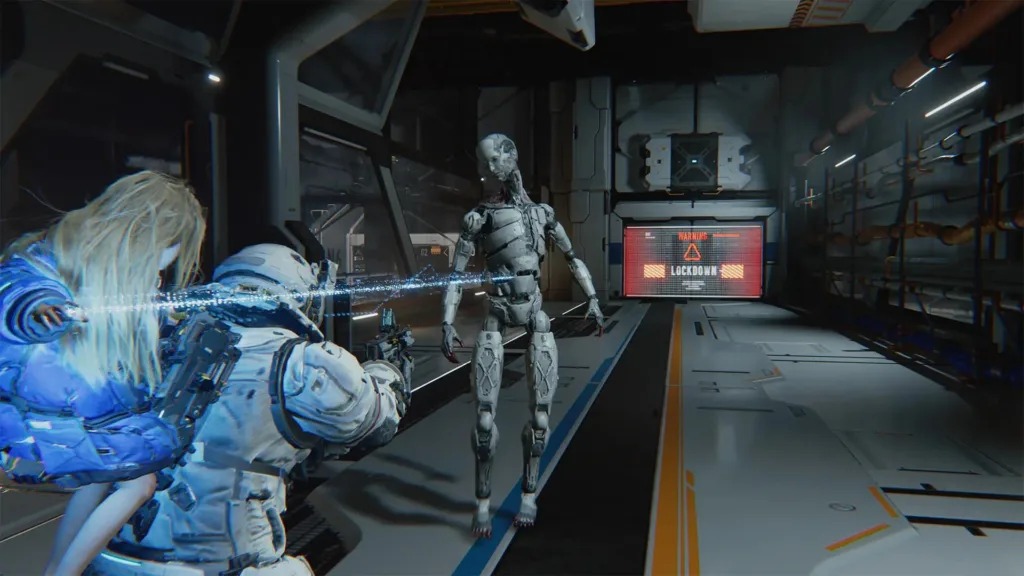
Gameplay in Pragmata blends exploration, puzzle-solving, and light combat elements. Players switch between the astronaut and Diana, each offering unique abilities — the astronaut equipped with an advanced exosuit for traversal and defense, and Diana endowed with mysterious powers that manipulate reality.
The core gameplay loop involves exploring abandoned lunar bases, solving environmental puzzles, and surviving encounters with rogue AI systems. The pacing is deliberately cinematic, with quiet, tense moments punctuated by bursts of intense action. While Pragmata isn’t an open-world game, its semi-linear design ensures a focused experience that rewards curiosity and careful observation.
Mechanically, it feels like a cross between Death Stranding, Control, and NieR: Automata, yet Pragmata maintains its own personality through innovative physics-based puzzles and breathtaking space sequences.
Visuals And Performance
One of Pragmata’s most striking achievements is its visual presentation. Built on Capcom’s powerful RE Engine, the game delivers photorealistic environments, complex lighting, and smooth character animations. Reflections on the astronaut’s visor, lunar dust floating in zero gravity, and the eerie silence of abandoned structures all bring this sci-fi world to life.
On PlayStation 5 and Xbox Series X, Pragmata supports 4K resolution with ray tracing and a 60 FPS performance mode. The PC version shines even brighter, offering visual tweaks and ultra-wide monitor support. Sound design complements the visuals perfectly — haunting orchestral music and environmental ambiance immerse you fully in its melancholic world.
Emotional Depth And Character Development
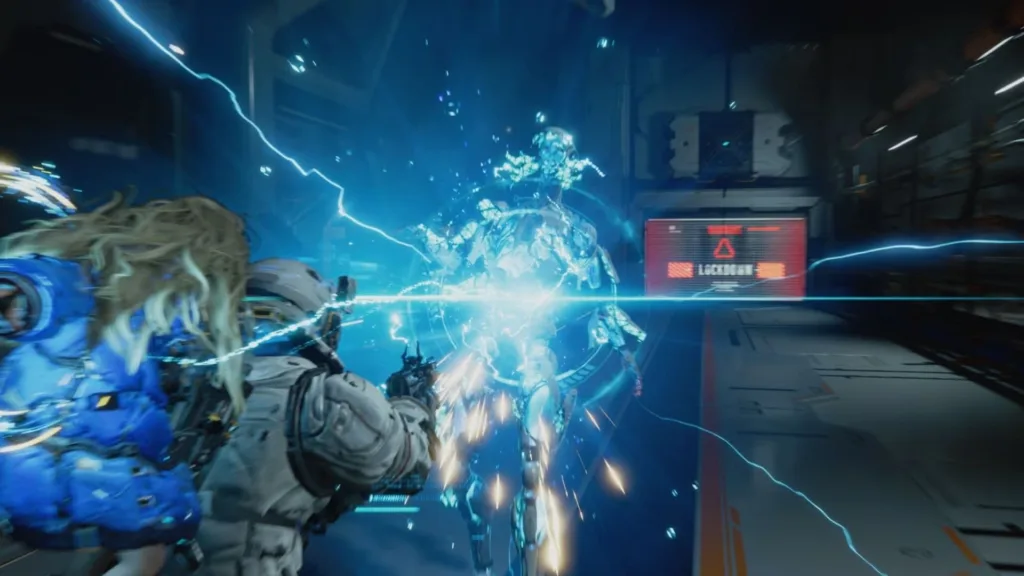
Beneath its glossy surface lies a surprisingly emotional core. Pragmata focuses on the parentlike bond between the astronaut and Diana, delivering quiet, heartfelt moments amid chaos. Their journey explores themes of protection, sacrifice, and survival with subtlety and restraint.
Unlike many action-heavy sci-fi games, Pragmata uses silence and minimalism to tell its story. The relationship between its two leads evolves naturally through gameplay rather than exposition — a design decision that feels both brave and refreshing.
Technical Aspects And Performance
While Pragmata’s technical polish is admirable, it’s not without flaws. Occasional frame drops, overly long loading times on older hardware, and minor clipping issues can disrupt immersion. However, these hiccups are small compared to the overall technical excellence achieved here.
Capcom’s commitment to optimizing performance across platforms is apparent, and post-launch patches are expected to iron out remaining issues. The level of detail in physics simulation — particularly the way objects react in low gravity — stands as a technical triumph rarely seen in recent games.

Final Verdict
Pragmata is more than just another sci-fi adventure — it’s a meditative experience wrapped in cutting-edge tech and emotional storytelling. It pushes boundaries not through endless combat or multiplayer content but through atmosphere, subtlety, and heart.
Though its pacing won’t please every gamer, Pragmata rewards patience with breathtaking imagery and emotional depth that lingers long after the credits roll. For those who crave meaningful storytelling in their games, this is one lunar journey worth taking.
Verdict Score: 9/10 — A hauntingly beautiful sci-fi adventure that blends emotional storytelling, fantastic visuals, and cinematic gameplay into one unforgettable experience.