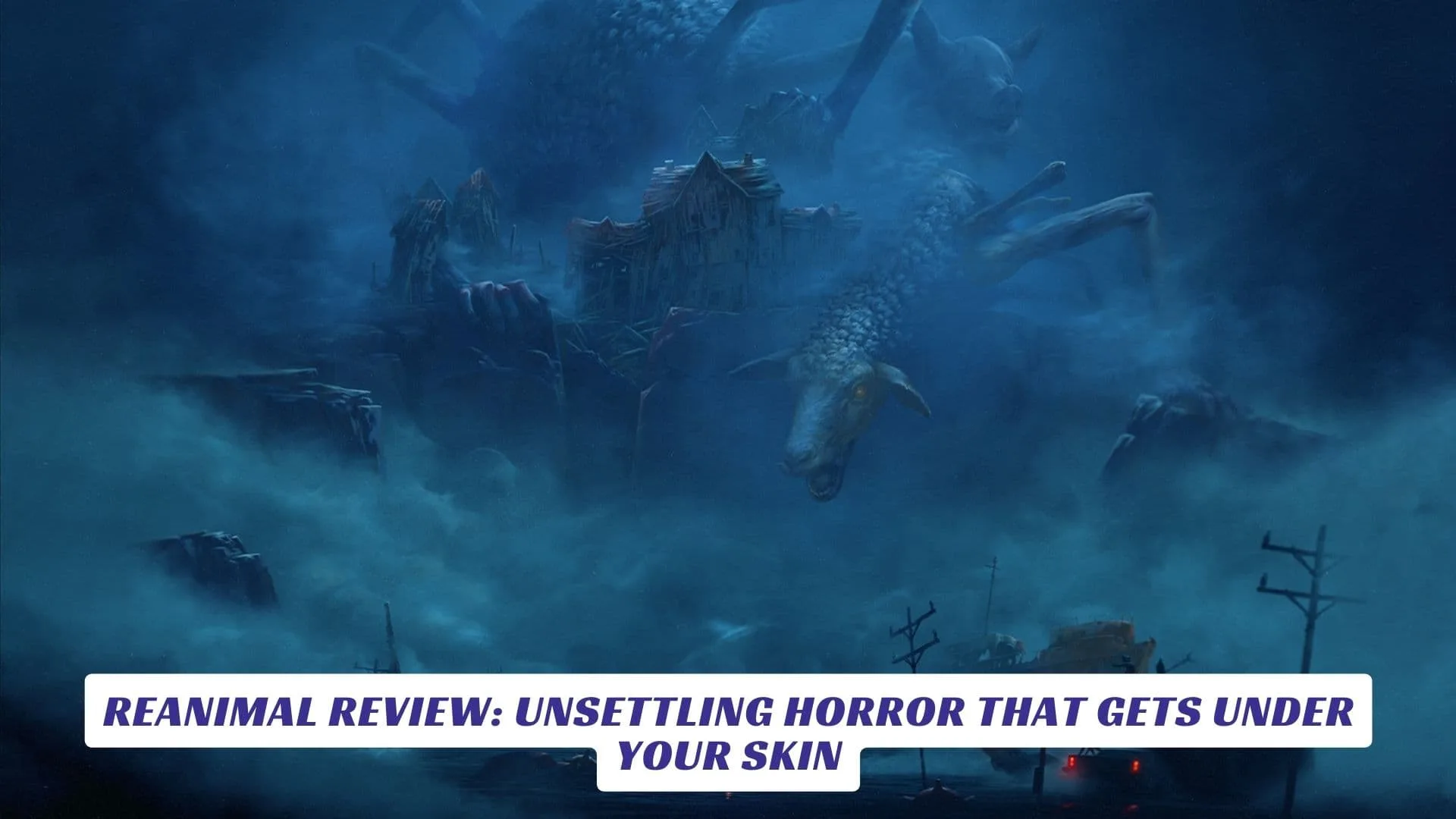
In this “Reanimal Review: Unsettling Horror That Gets Under Your Skin”, I’m focusing on the Reanimal PC demo after about 30 minutes of solo play, because even a short slice can reveal a lot about a horror adventure game’s pacing, atmosphere, and mechanical identity. If you’re Googling Reanimal review impressions, Reanimal demo thoughts, or whether this eerie stealth-and-puzzle horror has Little Nightmares energy, the demo delivers a strong first signal: it’s not trying to be a loud jumpscare factory, it’s going for that slow, oppressive discomfort where every shadow looks like it has an opinion about you. In terms of feel, Reanimal leans into adventure horror with stealth moments and puzzle-solving that keeps your hands busy while your brain keeps whispering “something is behind me,” and on PC the performance in my session was smooth, which matters a lot in a game that relies on timing, tension, and visual readability rather than pure action.
Review Scope And What This Article Covers
This is a review of the Reanimal demo, not the full release. That means I’m judging:
- The core gameplay loop (stealth + puzzles + exploration)
- The tone, art direction, and atmosphere
- The controls and usability on PC
- The technical feel (stability, smoothness)
It also means I’m not claiming anything definitive about the full story, later chapters, enemy variety, or long-term progression—only what the demo communicates.

First Impressions: A Horror Game That Prefers To Linger
Reanimal makes a quick case for itself through mood. The demo’s biggest strength is how it treats fear as a texture, not a gimmick—less “boo!” and more “you shouldn’t be here.” That’s exactly the lane that tends to hook players who love atmospheric horror adventures: the world feels slightly wrong, the silence feels purposeful, and movement through spaces feels like you’re trespassing.
If you’re into horror that’s unsettling rather than splattery—something you feel in your shoulders while you play—Reanimal is aiming for that.
Gameplay Breakdown: Stealth, Puzzles, And Nervous Exploration
Stealth That Feels Like A Conversation With The Environment
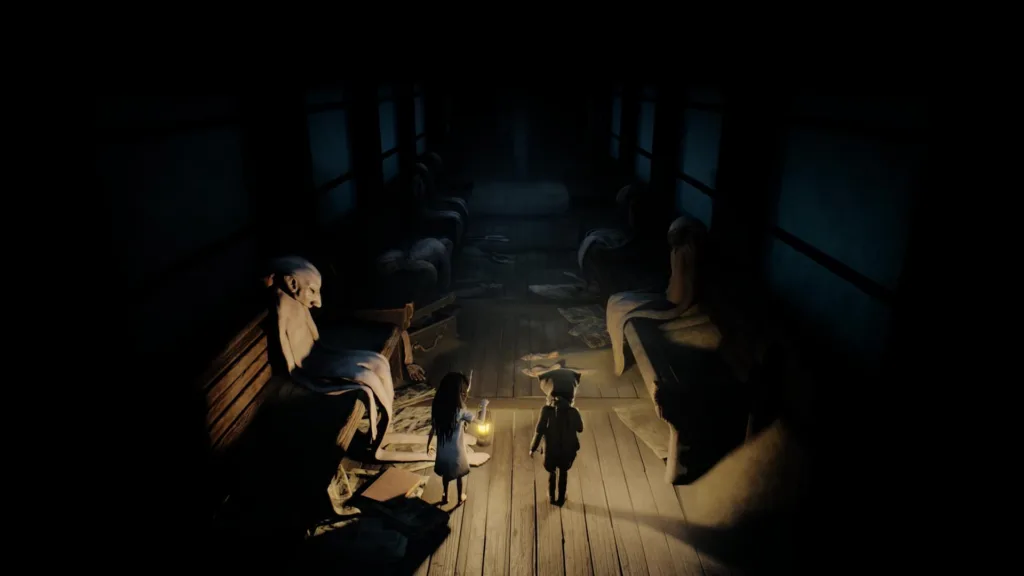
In the demo, stealth is less about complex systems and more about behavior: slowing down, reading the space, and making choices that minimize attention. The tension comes from uncertainty—limited information, partial visibility, and the sense that mistakes cost you momentum (or worse).
What works here is that stealth supports the horror tone. In many games, stealth is a checklist mechanic; in Reanimal, it’s part of the fear delivery system.
Puzzles That Pace The Scare
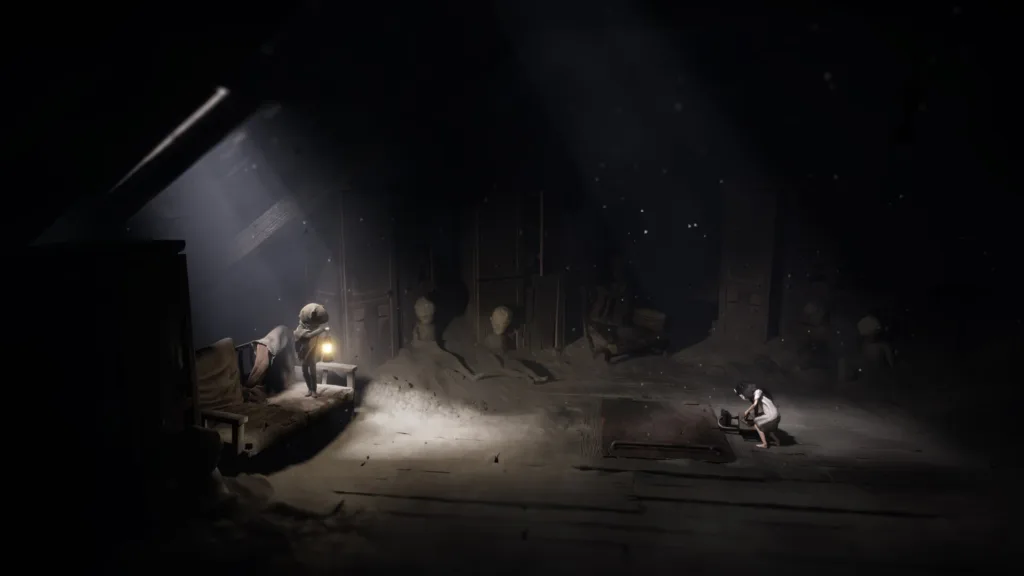
The puzzle angle in Reanimal (at least in this short demo) feels like it’s there to control tempo. You’re not only walking from scare to scare—you’re stopping, thinking, interacting, and committing to actions that can make you feel vulnerable. That “I’m busy doing something and I hate it” feeling is a classic horror tool, and puzzle design is how games generate it without spamming enemies.
The demo didn’t give me enough time to judge puzzle complexity long-term, but it did show that Reanimal wants you to engage with the world rather than simply survive it.
Exploration That Sells The World
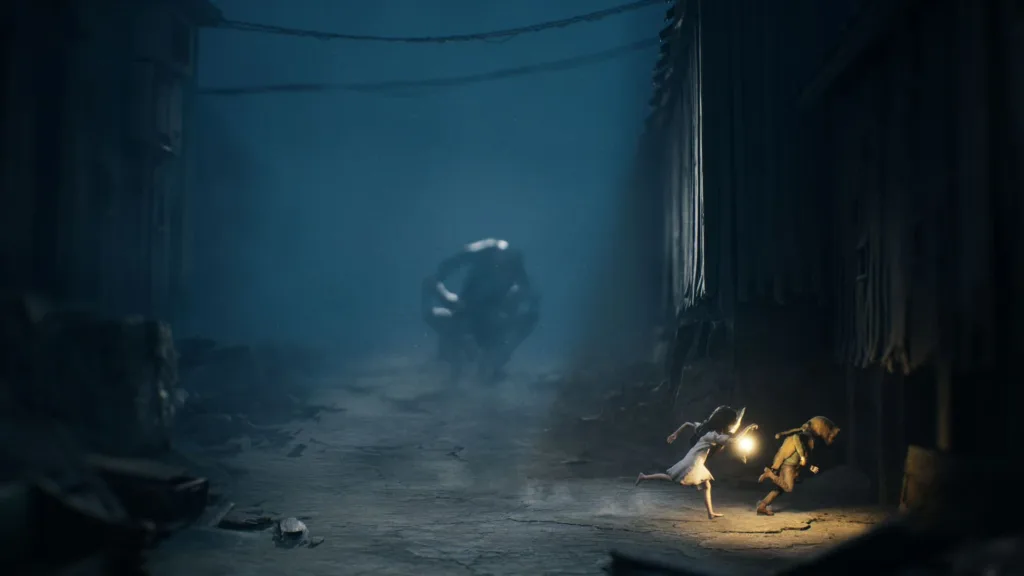
Adventure horror lives or dies by how it makes you move through space. Reanimal pushes you to explore carefully—partly to progress and partly because the environment itself is the point. The best moments in this genre aren’t always encounters; sometimes they’re the seconds before an encounter, when you’re noticing details and deciding whether to keep going.
Atmosphere And Art Direction: The “Little Nightmares” Comparison
You said it best: if you liked Little Nightmares, play this one—and based on the demo, that recommendation makes sense in spirit. Reanimal carries that similar DNA of:
- Stylized unease
- Storytelling through spaces
- A sense of being small in a world that doesn’t care about you
To be clear, I’m not saying Reanimal is a clone. The demo feels like it’s building its own identity, but the emotional flavor—creeping dread plus visual storytelling—should land with that audience.
Controls And PC Performance: Smooth In The Demo
On PC, the demo ran smoothly in my session. For a stealth-and-puzzle horror title, that’s not a minor compliment—stutters and hitching can ruin tension and make stealth feel unfair. Here, movement and interaction felt consistent enough that the game’s pressure came from design, not from technical friction.
(If you want this section to be more useful for readers, tell me your GPU/CPU and whether you used mouse/keyboard or a controller, and I’ll tailor it.)
Who Reanimal Is For (And Who Might Bounce Off)
You’ll Probably Love The Reanimal If You Like:
- Adventure horror that prioritizes mood over combat
- Stealth as tension, not as a min-max system
- Puzzles that break up exploration and heighten vulnerability
- Games that scratch that Little Nightmares-style itch
You Might Not Click With It If You Want:
- Constant action or frequent combat mechanics
- Fast-paced horror with big set-piece thrills every few minutes
- Heavy narrative exposition instead of environmental storytelling
Pros And Cons (Based On The Demo)
Pros
- Strong unsettling atmosphere that sticks
- Stealth and puzzles fit the horror tone instead of fighting it
- Smooth PC feel in the demo session
- Clear appeal for fans of Little Nightmares-like adventure horror
Cons
- Demo length limits how much can be judged (variety, difficulty curve, late-game pacing)
- If you prefer loud, action-forward horror, the slower dread may feel too restrained
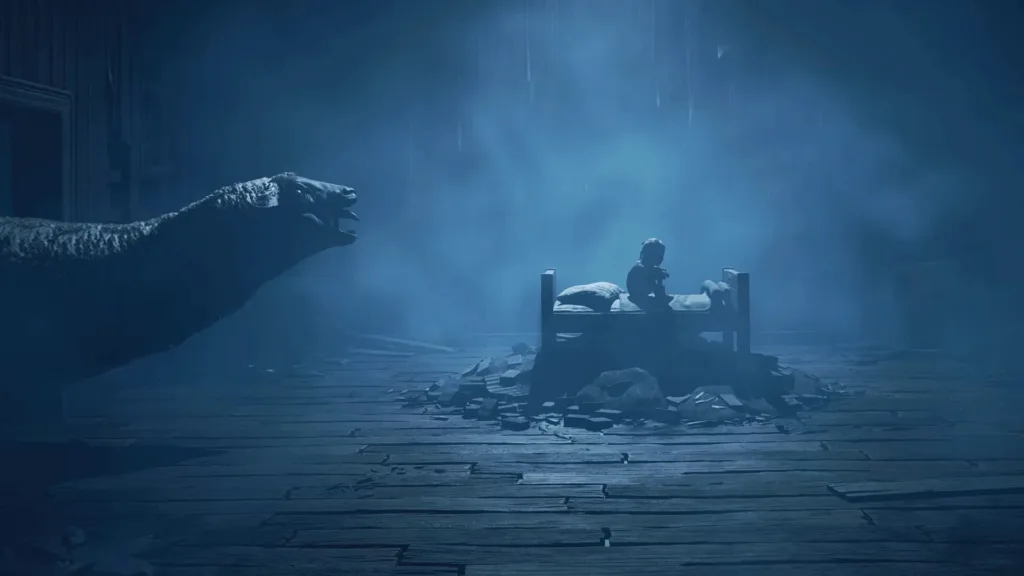
Verdict: A Promising Horror Adventure With Real “Creeping Dread” Energy
Based on the PC demo, Reanimal looks like an adventure horror game that understands what makes this subgenre work: tension you earn, fear you imagine, and a world that feels hostile even when nothing is happening. If Little Nightmares is your comfort-horror (in the “why am I doing this to myself?” sense), Reanimal is worth your time—at least the demo, and likely the full experience if it sustains this tone.
If you tell me whether the demo ended with a chase, a reveal, or a puzzle gate (even vaguely), I can sharpen the closing paragraph without adding spoilers or inventing details.