Contents
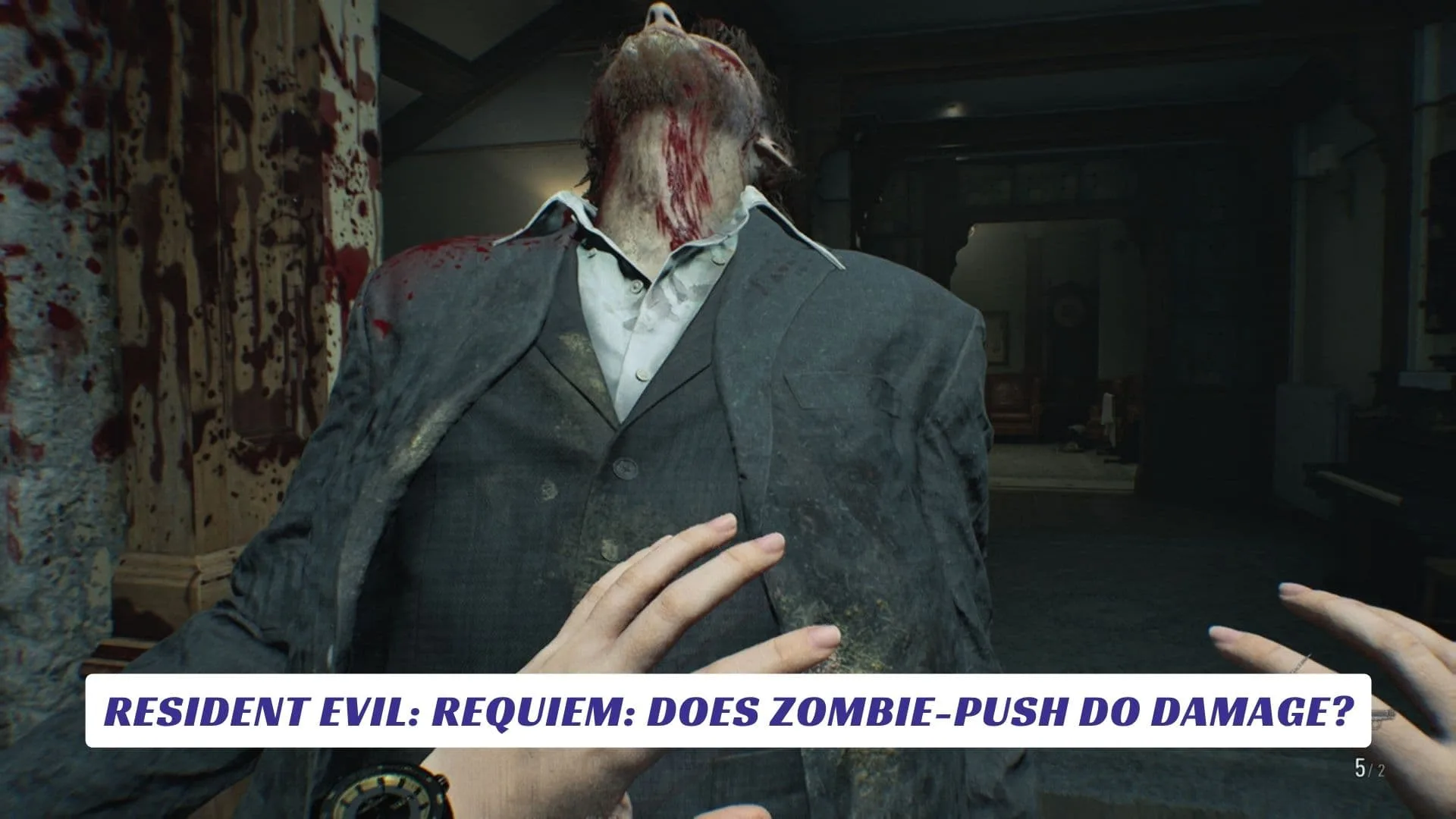
As players begin dissecting trailers, footage, early impressions, and every small mechanical clue surrounding Resident Evil: Requiem, one question keeps surfacing in survival horror discussions: Resident Evil: Requiem: Does zombie-push do damage? It is the kind of detail that matters more than it might seem at first, because in a Resident Evil game, the difference between a stagger, a grab, a shove, or a damage-dealing hit can completely change how players read enemy pressure, conserve healing items, and judge risk in close quarters. Fans of survival horror often zoom in on these micro-interactions because Capcom’s combat language has always been built on tension, spacing, and punishment, and a simple zombie push can mean anything from a warning animation to a costly mistake depending on how the system is designed. In the case of Resident Evil: Requiem, the answer is not completely settled from public material alone, but the question itself says a lot about what fans expect from the game. People are not just asking about damage numbers. They are asking how aggressive the undead feel, how readable enemy behavior looks, and whether Resident Evil: Requiem leans closer to classic helpless survival horror, modern action-horror pressure, or some new balance between the two.
The Short Answer
Based on currently visible public discussion and the limited early material available, there is no fully confirmed, universally documented breakdown proving exactly how zombie-push works in Resident Evil: Requiem. That means any firm yes-or-no answer should be treated carefully.
Still, the most reasonable reading is that players are asking about a close-contact enemy interaction that appears threatening enough to matter. In a Resident Evil game, if fans are debating whether a shove counts as damage, it usually means the animation is forceful, the spacing consequences are important, and the mechanic likely affects danger even before anyone starts counting exact health loss.
Why This Question Matters
This is not a tiny rules-lawyer issue. In survival horror, contact mechanics shape the whole mood of play. If a zombie push causes direct damage, then every close encounter becomes more expensive and healing management gets tighter. If it only causes stagger, displacement, or setup for a later bite, then the threat is more positional than numerical, which creates a different kind of fear.
That distinction changes how players move through hallways, corners, and doorways. It also changes how they interpret enemy proximity. A damage-dealing push tells the player that merely touching danger has a cost. A non-damaging push tells them the real punishment comes a split second later, when panic leads to a worse mistake.
This is exactly why fans latch onto combat details so quickly. Resident Evil has always thrived on mechanics that look simple on the surface but carry huge consequences once the game is in your hands.
Do Zombies Heal Damage You Inflict on Them?
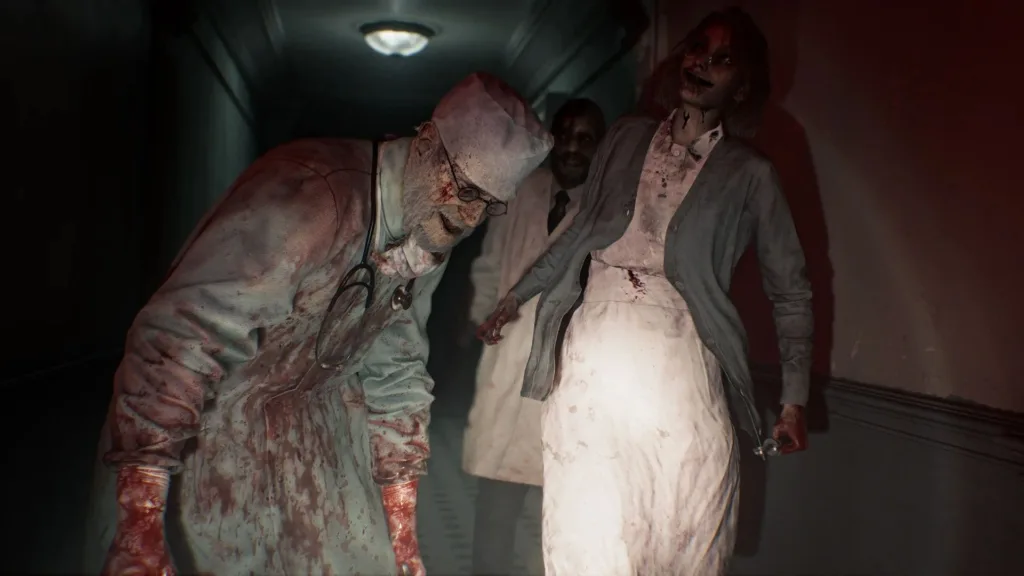
In most Resident Evil games, zombies do not typically “heal” damage in the way players would describe enemy regeneration, but they often absorb more punishment than expected, which can make it feel like your shots are being undone. In Resident Evil: Requiem, unless the game specifically introduces a regeneration mechanic for certain infected types, the safer assumption is that standard zombies do not recover normal damage during ordinary encounters. What usually creates confusion is uneven reaction to hits, delayed takedowns, enemy stagger that does not guarantee a kill, or body damage that fails to stop them immediately. So if players are asking, “Do Zombies heal damage you inflict on them?” the better answer is usually no, they are more likely durable, inconsistent, or resistant than actively self-healing.
Reading The Series Pattern
One useful way to think about Resident Evil: Requiem is to look at how the series has historically treated zombie pressure. Across different Resident Evil entries, enemies often do not just attack in one clean, obvious way. They crowd, interrupt movement, initiate grabs, force reorientation, and create chain reactions that make one mistake snowball into another.
So when players ask whether zombie-push does damage in Resident Evil: Requiem, they are really asking where this game sits on the series spectrum. Is it a title where contact itself chips away at you? Is it one where the push is there to break your footing and open the door to a more dangerous follow-up? Or is it a cinematic flourish that feels violent without being the main source of health loss?
That ambiguity is part of the appeal. Resident Evil works best when enemies feel physically invasive, not just statistically harmful. A shove that ruins your positioning can feel almost as punishing as a direct hit, especially when ammo is low and the room behind you is not safe.
What Players Are Probably Seeing
The phrasing of the question suggests players have noticed an encounter where a zombie appears to push, lunge, or body-check the character rather than immediately going into a classic bite animation. That sort of move stands out because it creates uncertainty. It is visually aggressive, but not always mechanically obvious from a brief clip.
In many horror games, that uncertainty is intentional. The developer wants the enemy to feel unpredictable and invasive. A hard push can serve several purposes at once. It can break aim, interrupt escape timing, force the player into a wall, or trigger a brief panic state even if the actual health reduction is small or delayed.
That is why a lot of players discuss these moments as if they were direct damage, even before the rules are fully understood. In a game built around dread, the emotional effect of losing control can matter just as much as the health bar.