Contents
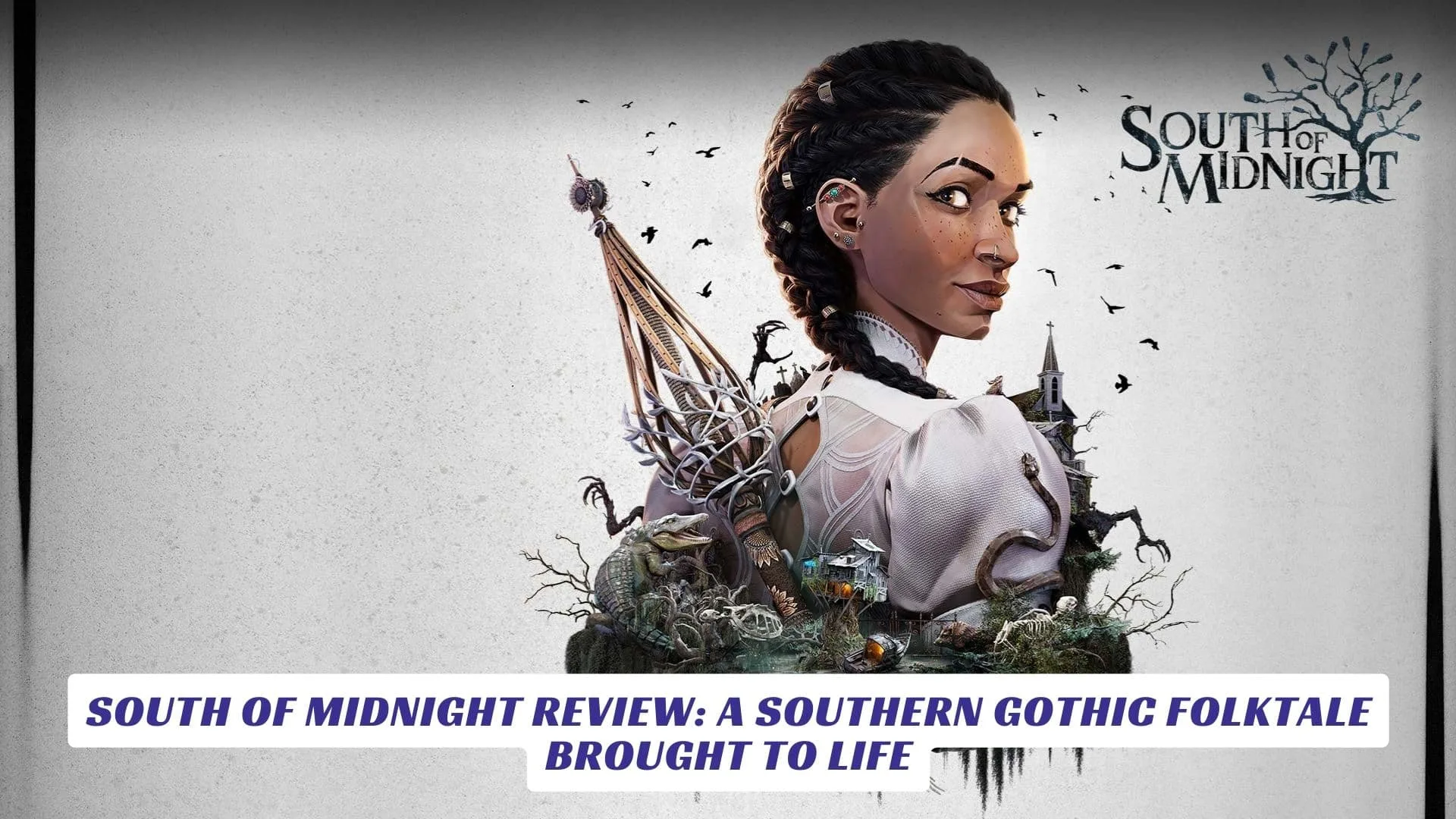
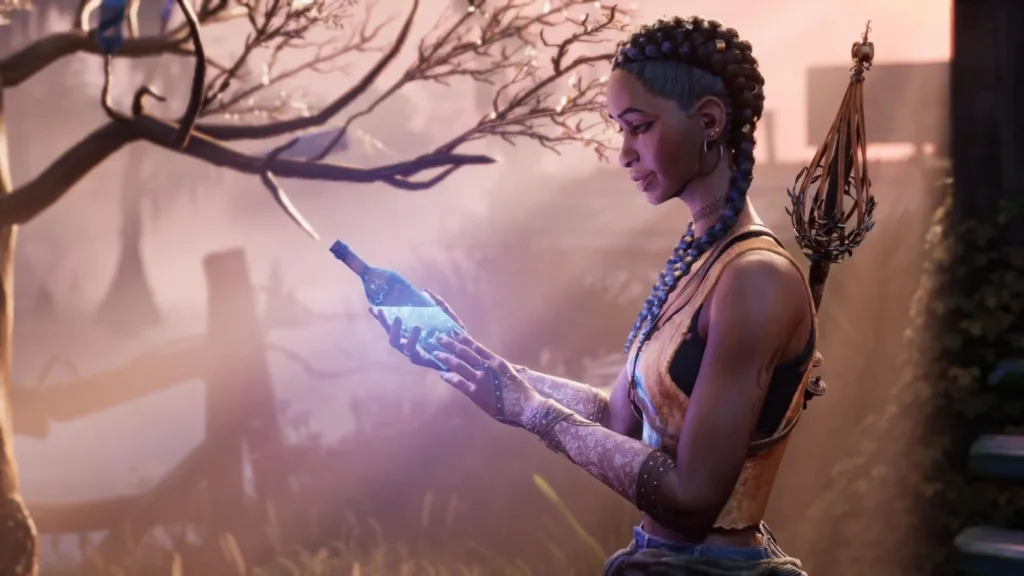
South of Midnight invites players into a mesmerizing realm where the moss-draped cypress trees of the American Deep South hide ancient secrets and spectral wonders. Developed by the visionary team at Compulsion Games and published by Xbox Game Studios, this third-person action–adventure title emerges as one of the most visually distinctive releases of 2025, blending magical realism with the raw, atmospheric weight of Southern Gothic storytelling. As you step into the worn boots of Hazel, a young woman thrust into the role of a “weaver” capable of manipulating the very threads that bind the spirit world to our own, you will traverse flooded bayous, decaying plantations, and vibrant communities clinging to tradition in the face of encroaching darkness. The game’s narrative architecture draws heavily from regional folklore, presenting a tapestry of haunted swamps, trickster spirits, and the enduring resilience of Southern culture that feels both timeless and urgently contemporary. Unlike conventional action titles that prioritize combat above all else, South of Midnight positions itself as a narrative-driven experience where environmental storytelling, character relationships, and the slow unraveling of family mysteries take precedence over explosive set pieces. This is a game that understands the rhythm of the South—the humidity, the storytelling tradition, the interplay between beauty and decay—and translates it into an interactive medium with remarkable authenticity and emotional depth.
Gameplay Mechanics and Magical Systems
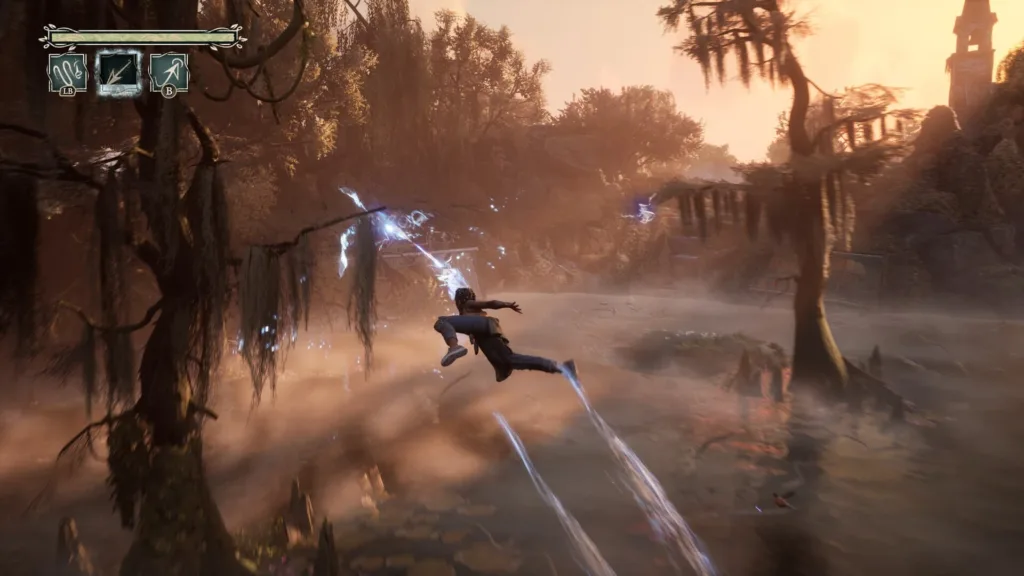
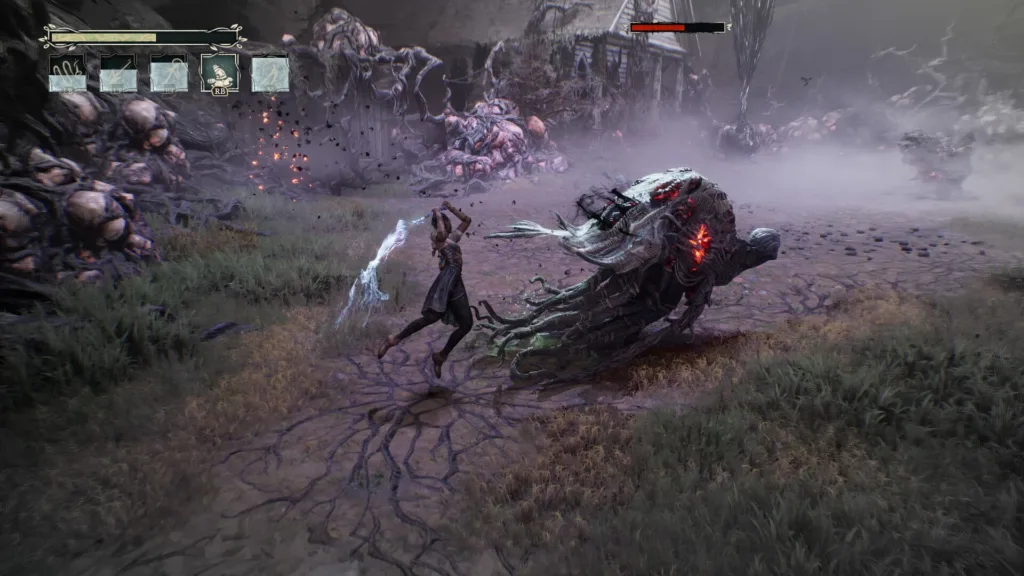
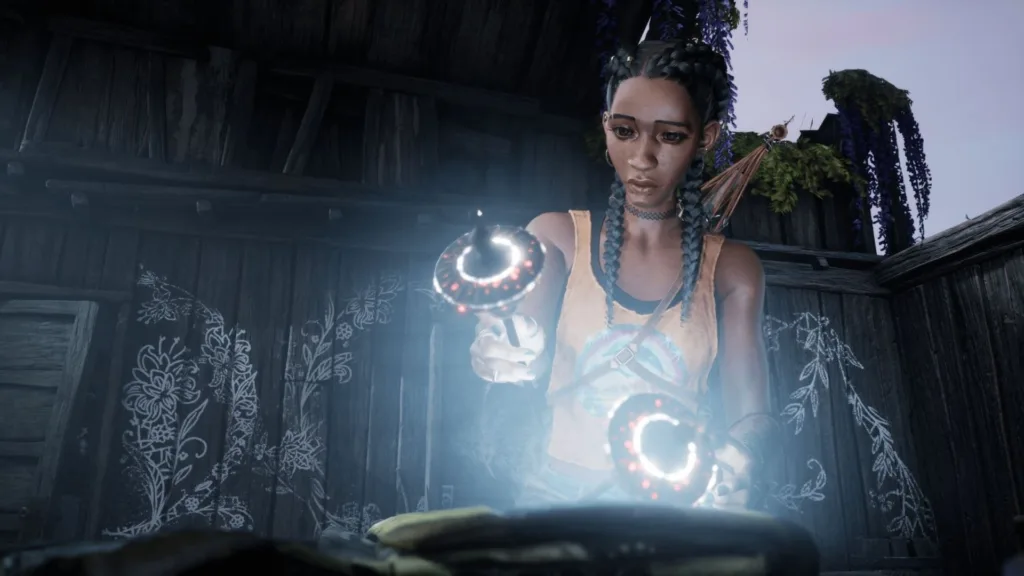
At the heart of South of Midnight lies an innovative weaving mechanic that transforms Hazel’s grief-stricken journey into a tactile, magical experience. Players manipulate ethereal threads to solve environmental puzzles, repair broken spiritual barriers, and engage in rhythmic combat encounters against corrupted entities known as “haints.” The combat system emphasizes flow and timing over brute force, requiring you to dodge, parry, and counterattack using spectral threads that extend from Hazel’s hands like supernatural extensions of her will. Beyond battles, the traversal mechanics shine as you navigate the treacherous bayou by skiff, climbing ancient trees, and sliding through muddy slopes that respond realistically to weather conditions and time of day. The progression system ties intimately to the narrative, unlocking new weaving abilities not through arbitrary experience points, but through meaningful story milestones and interactions with the local community, ensuring that mechanical growth mirrors Hazel’s emotional evolution.
Art Direction and Visual Aesthetic
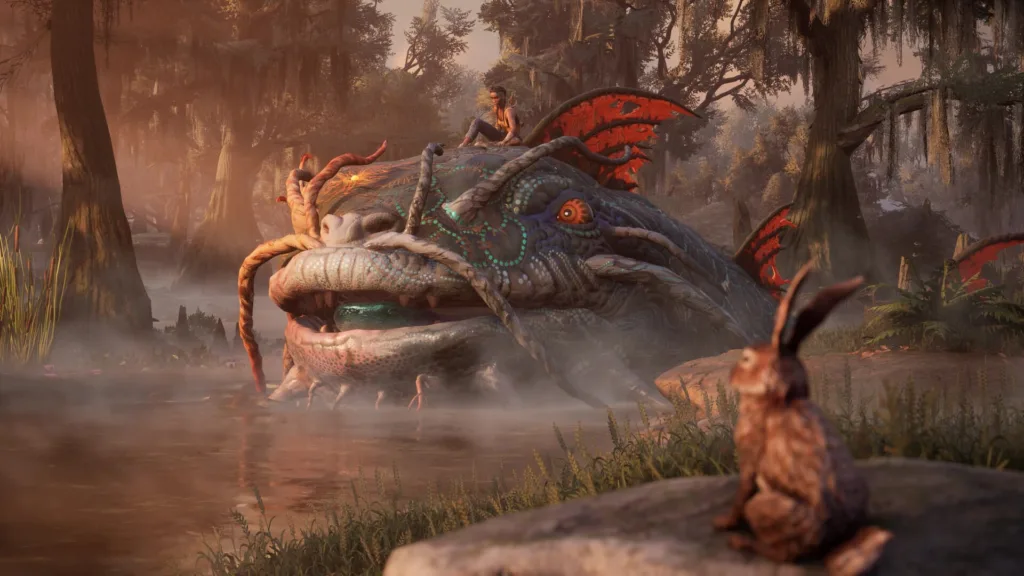
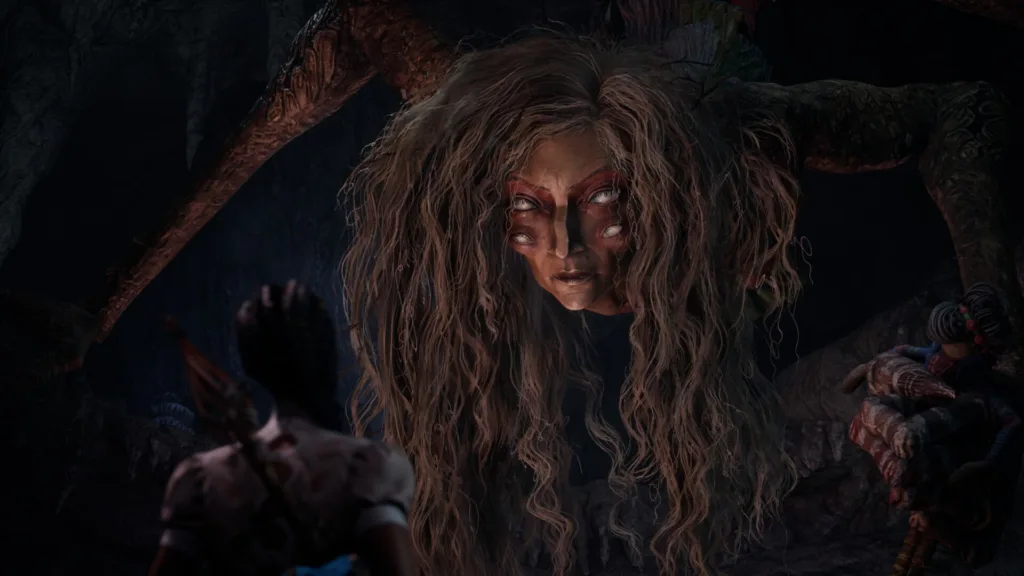
The visual presentation of South of Midnight stands as its most immediate and arresting achievement, employing a stop-motion-inspired aesthetic that makes every frame resemble a living diorama crafted from papier-mâché and painted wood. Characters possess a tactile, textured quality that evokes folk art traditions, while environments shift between sun-dappled groves and rain-soaked ghost towns with cinematographic grace. The color palette leans heavily into deep indigos, rust oranges, and mossy greens, capturing the specific light quality of Louisiana afternoons and the oppressive shadows of humid nights. This distinctive art style serves the narrative perfectly, creating a world that feels simultaneously handcrafted and otherworldly, as though you are wandering through a storybook that has absorbed generations of oral storytelling tradition. The attention to cultural detail extends to architecture, clothing, and even the subtle movements of background characters, grounding the supernatural elements in a reality that respects and celebrates Southern heritage.
Narrative Depth and Character Development
The storytelling in South of Midnight operates on multiple levels, weaving together personal grief, community history, and mythological archetypes into a cohesive emotional journey. Hazel’s quest to save her mother and understand her own place in the world unfolds through unhurried, dialogue-rich sequences that allow relationships to develop naturally rather than through exposition dumps. The supporting cast features fully realized characters including hoodoo practitioners, blues musicians, and reluctant spirit guides, each contributing to a narrative tapestry that explores themes of generational trauma, environmental stewardship, and the power of collective memory. The writing avoids the pitfalls of poverty tourism or romanticized stereotyping, instead presenting the Southern experience with nuance, dignity, and occasional dark humor that feels earned rather than performative. Dialogue choices, while not branching into radically different outcomes, allow players to shape Hazel’s emotional responses and define her relationships with key figures, adding a layer of personal investment to the predetermined narrative arc.
Sound Design and Musical Landscape
Audio design plays a crucial role in establishing the atmospheric tension that defines South of Midnight, with a soundscape dominated by cicada choruses, distant thunder, and the gentle lapping of bayou waters against weathered wood. The original score blends traditional Southern instruments—banjos, accordions, and washboards—with ethereal, ambient synthesizers that signal the intrusion of the supernatural into the natural world. Voice acting performances carry the weight of regional dialects without descending into caricature, delivering lines with the musical cadence and emotional authenticity that the script demands. Sound cues integrate seamlessly with gameplay, as the humming of spectral threads and the guttural warnings of approaching haints provide crucial feedback during exploration and combat sequences. The attention to auditory detail extends to the environmental storytelling, where the creaking of plantation houses and the spirituals sung by background characters create an immersive soundscape that demands headphone use for full appreciation.
Technical Performance and Accessibility
Running on Unreal Engine 5, South of Midnight delivers consistent performance across Xbox Series X|S and PC platforms, maintaining its stylized frame rate even during visually dense sequences featuring multiple spectral entities and complex weather effects. The game offers comprehensive accessibility options including customizable subtitle presentation, colorblind modes that preserve the artistic vision while aiding navigation, and adjustable difficulty settings that focus on narrative exploration for players less interested in combat challenges. Load times remain brief, preserving immersion as you transition between the hub community of Prospero and the various haunted regions of the surrounding bayou. Minor technical issues occasionally surface, primarily texture pop-in during fast skiff travel and occasional camera clipping during tight interior sequences, though these rarely detract from the overall experience. The PC port demonstrates excellent optimization, scaling gracefully across hardware configurations while supporting ultra-wide monitors that showcase the sweeping environmental vistas to stunning effect.
Final Verdict
South of Midnight represents a bold evolution for Compulsion Games, transcending the survival mechanics of their previous work to deliver a focused, emotionally resonant action-adventure that prioritizes cultural authenticity and artistic vision over market-tested formulas. The game succeeds not merely as entertainment but as a piece of interactive folklore, preserving and celebrating Southern Gothic traditions through a medium that allows for active participation in its myths. While the combat occasionally feels repetitive and the pacing may frustrate players seeking constant stimulation, those who surrender to the game’s deliberate rhythm will discover a hauntingly beautiful experience that lingers in memory long after the credits roll. For players seeking narrative depth, visual innovation, and a genuine connection to place seldom achieved in interactive media, this Southern Gothic folktale stands as an essential journey into the heart of American magical realism.